Buying a car is one of the most emotional and considered purchases a person will make.
A banner ad or a 15-second pre-roll spot can’t replicate the feeling of sitting behind the wheel, hearing an engine turn over, or racing a friend on a simulator.
That’s exactly why experiential marketing has become one of the most effective tools in automotive marketing: it lets a brand put its product directly into a buyer’s hands instead of just describing it.
For OEMs, dealership groups, and automotive suppliers, experiential marketing for automotive means building live, interactive moments at auto shows, dealership events, ride-and-drive tours, and motorsport activations that let people feelthe brand rather than just see it.
Done right, these activations also capture first-party data that fuels follow-up marketing and, ultimately, sales.
Automotive experiential campaigns typically fall into a few categories:
The common thread across all of these is interactivity. The more a person does rather than just watches, the more they remember the brand afterward.
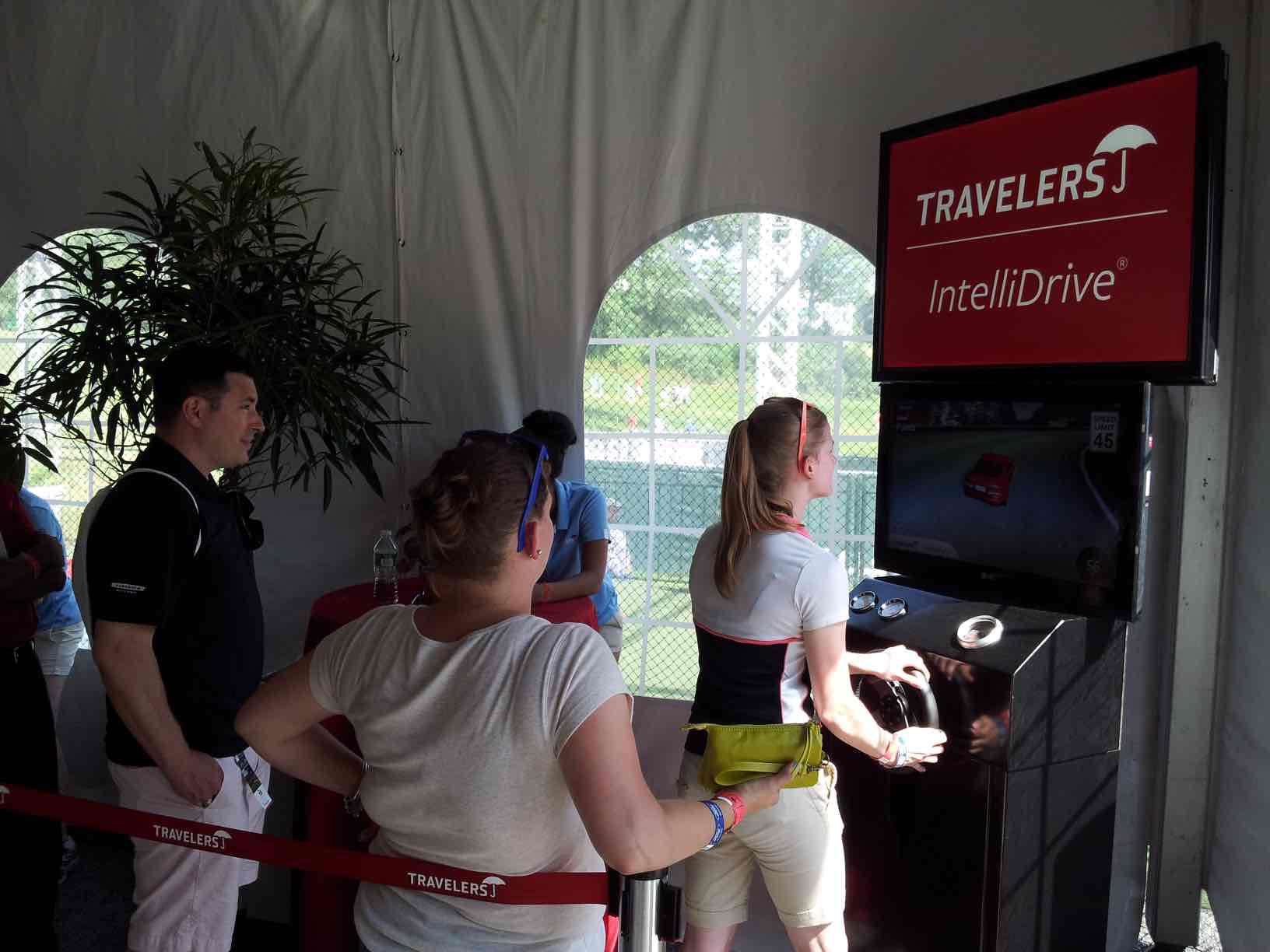
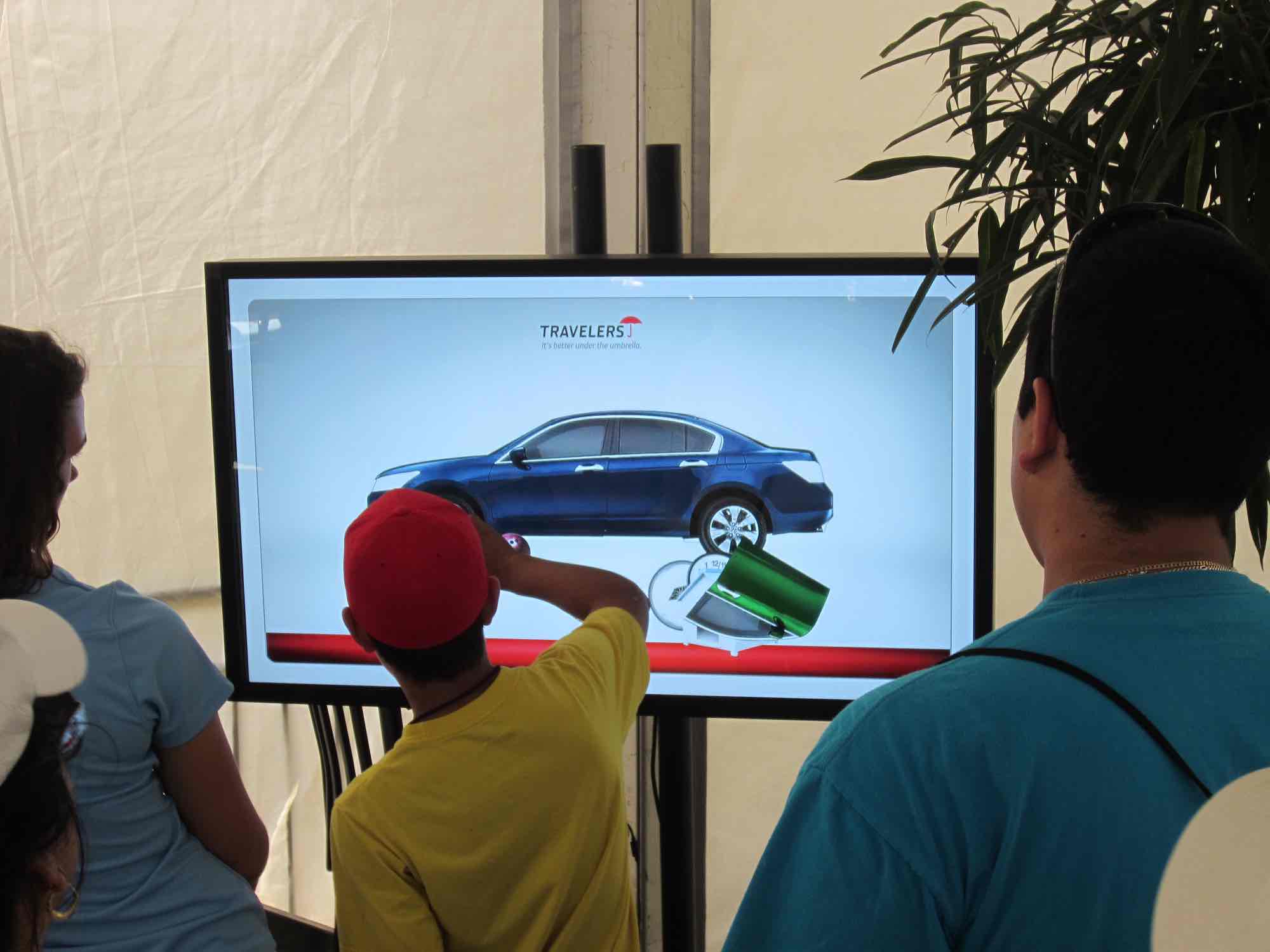
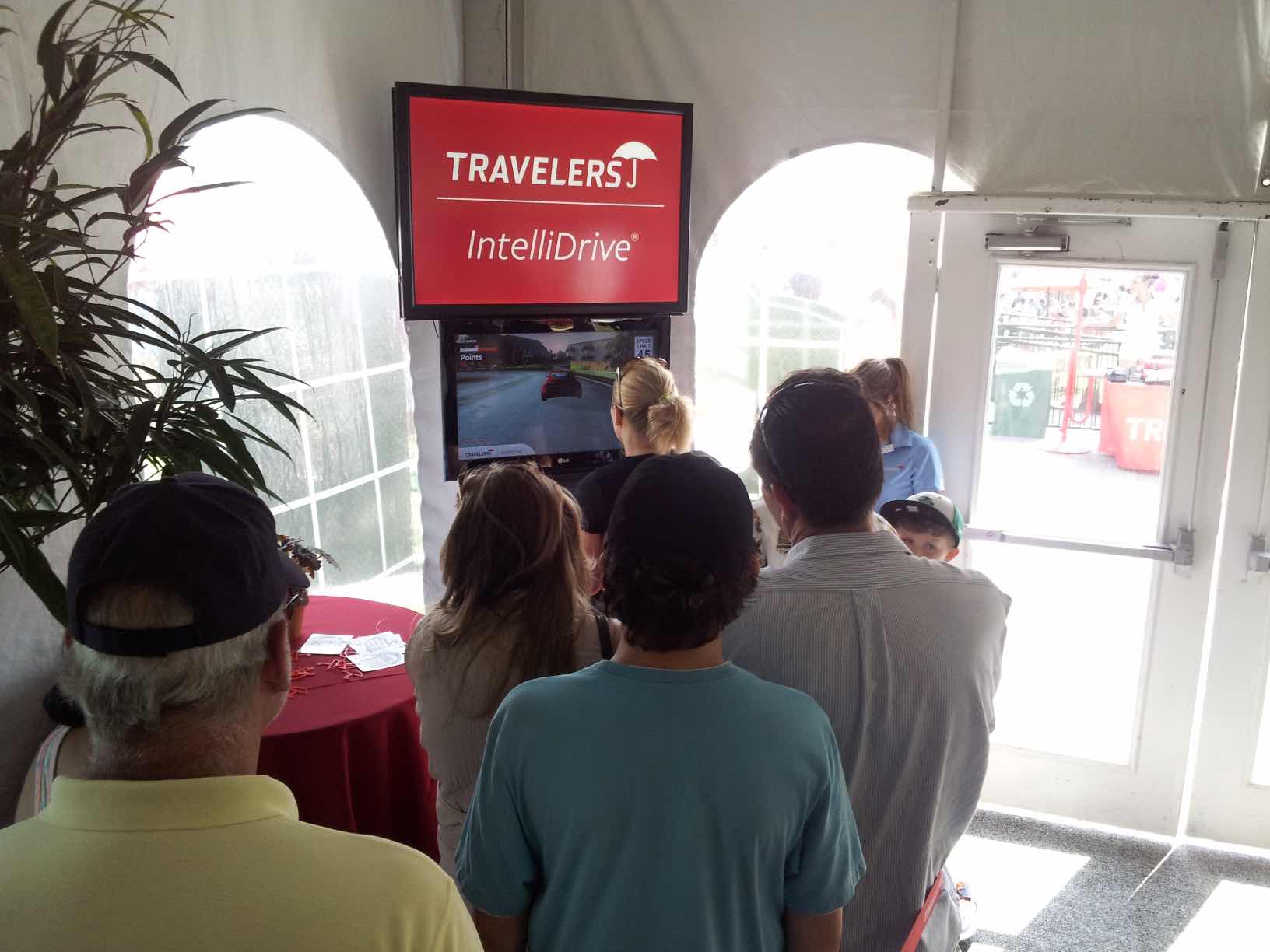
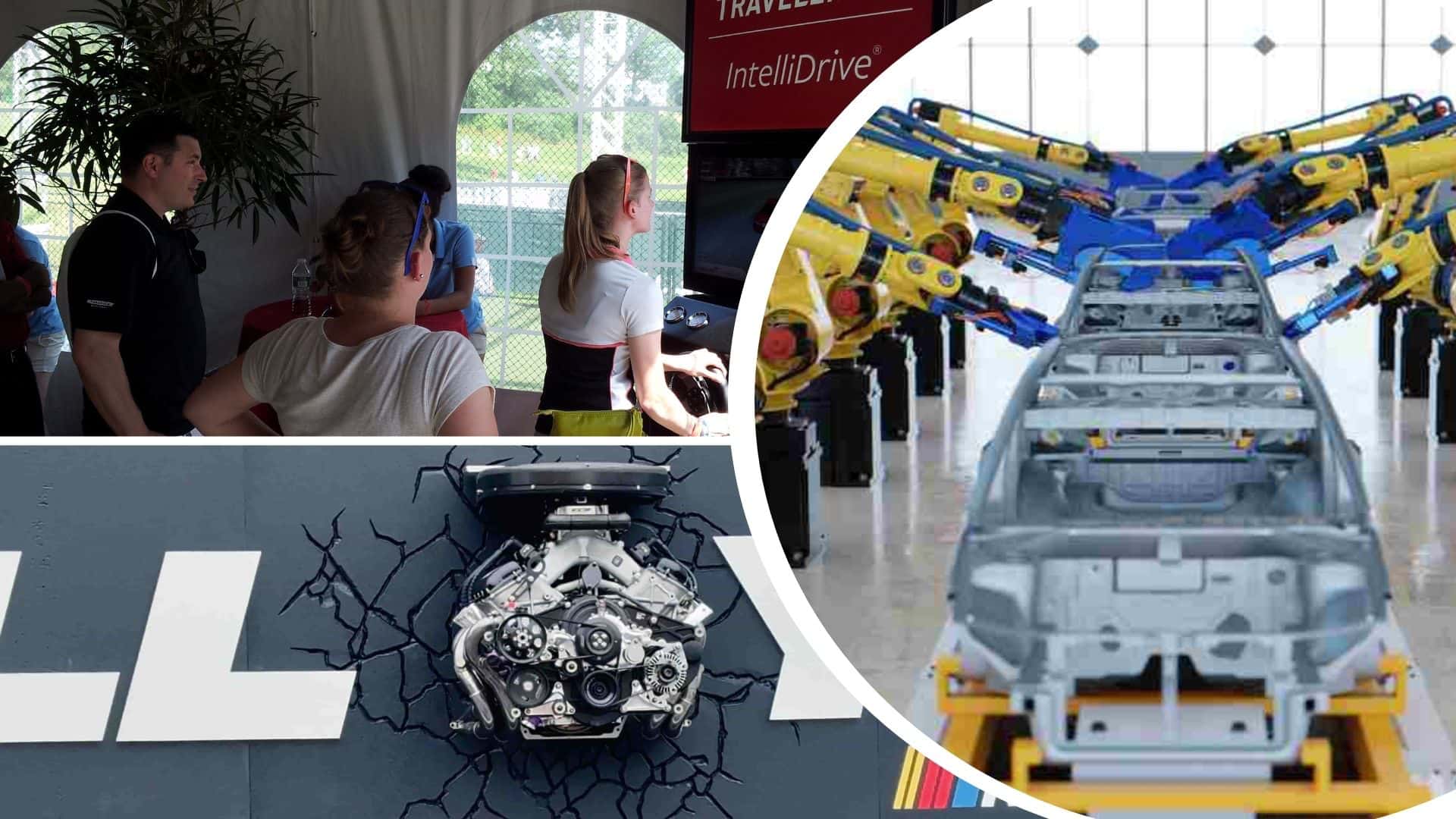
One of the clearest examples of experiential marketing for automotive is a project we built for Travelers Insurance: the IntelliDrive Driving and Texting Simulator. Rather than handing out pamphlets about distracted driving, we built an interactive simulator that let participants experience, firsthand, how texting behind the wheel affects reaction time and control. It turned a serious safety message into a hands-on moment people actually wanted to try, which is exactly the kind of engagement that sticks with an audience long after the event ends.
We’ve applied that same approach directly for auto brands as well. For Renault, we built a Kinect-powered audience game around the Twingo launch, using motion-capture technology to let event attendees physically compete against each other in a branded game tied to the vehicle’s personality. The game turned passive onlookers at the launch event into active participants, drawing a crowd around the booth and giving the audience something to talk about well after the event wrapped.
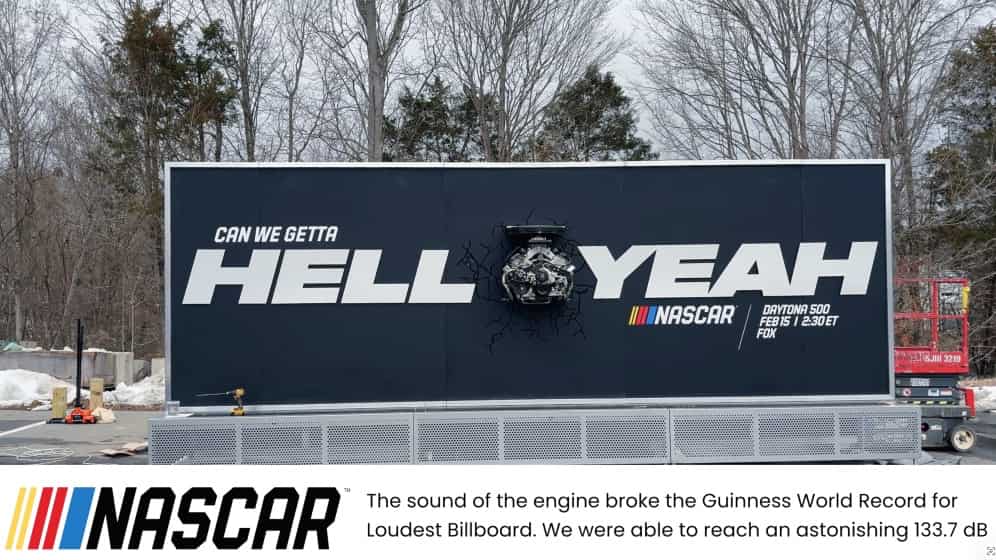
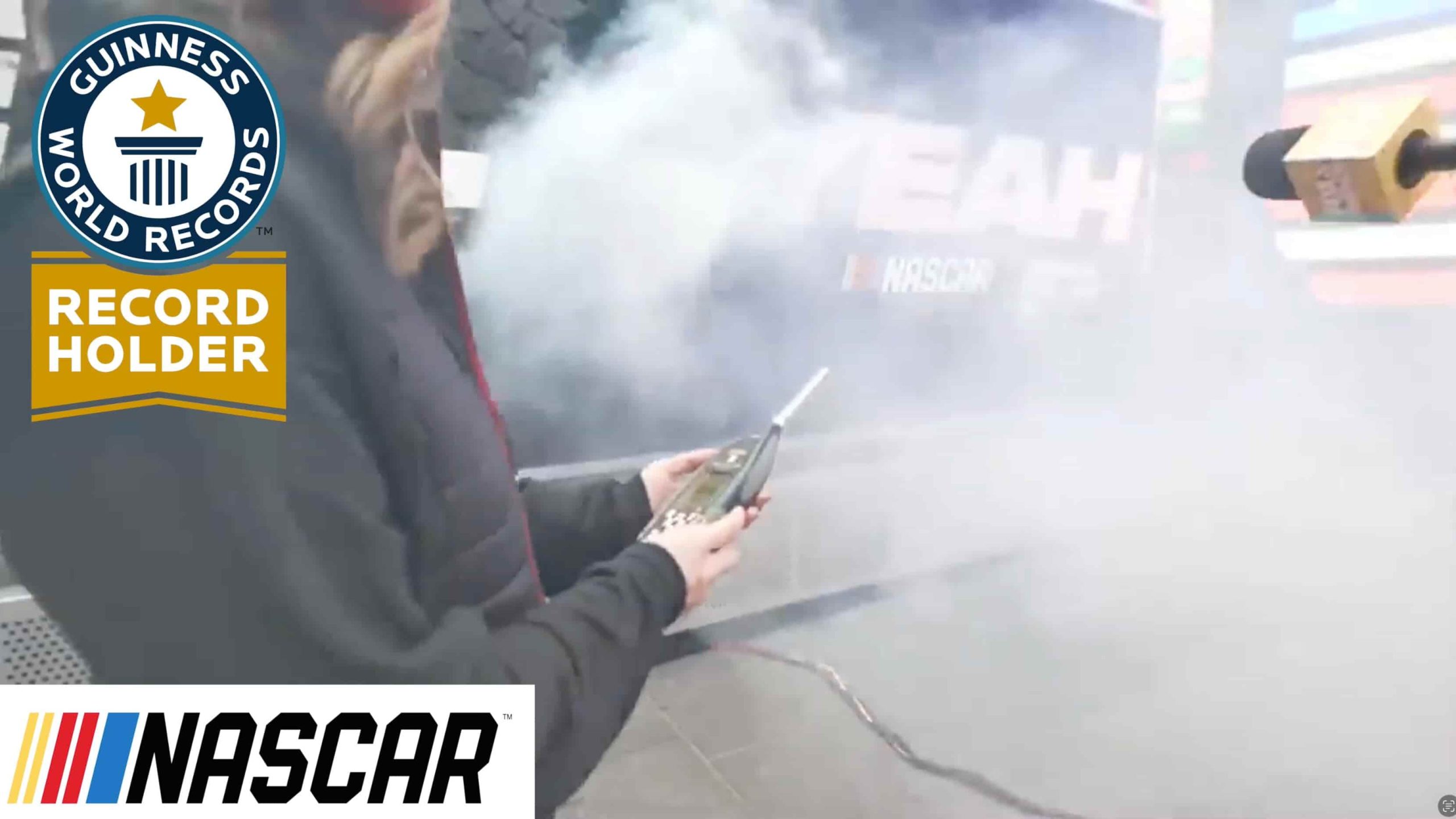
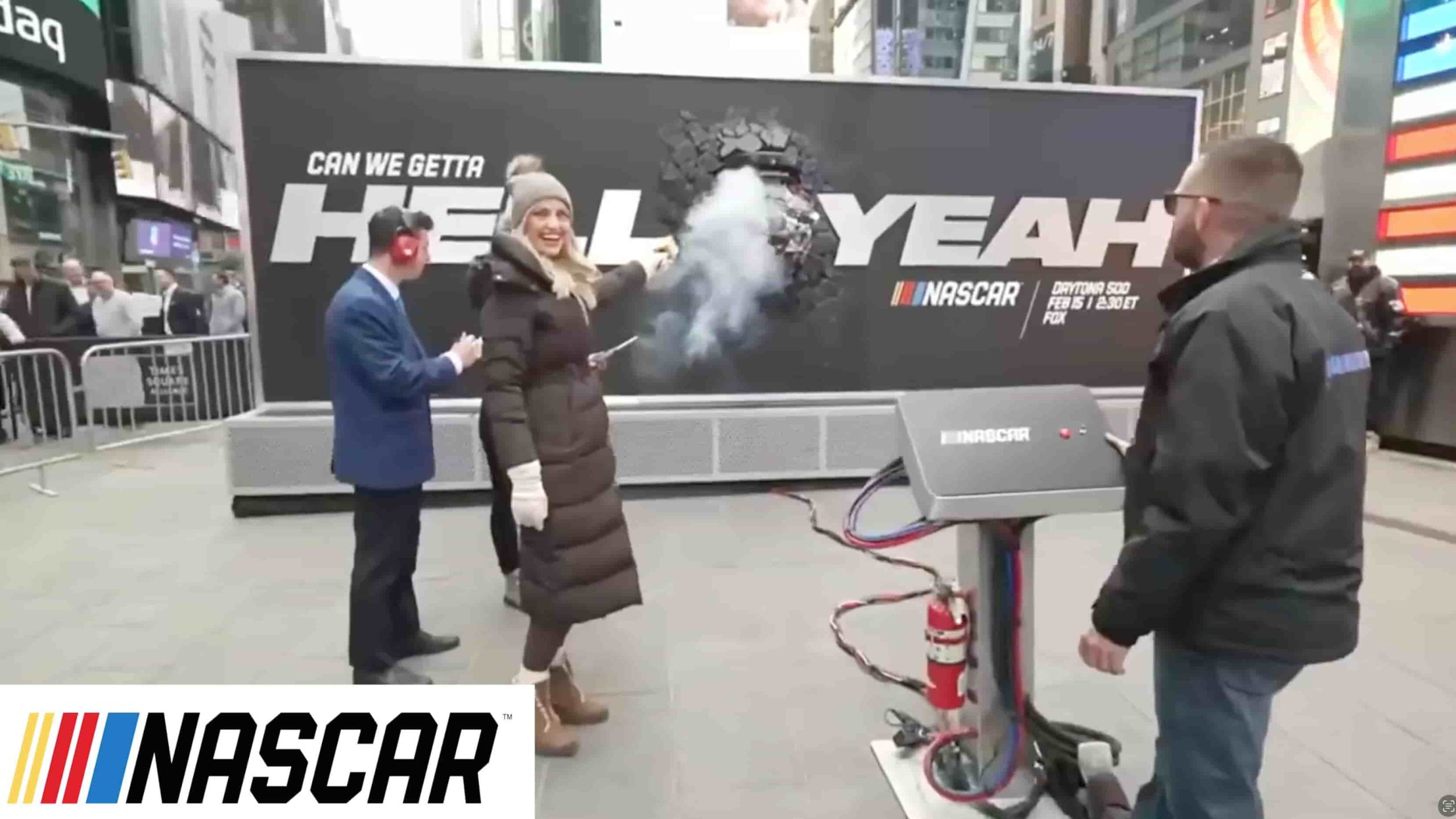
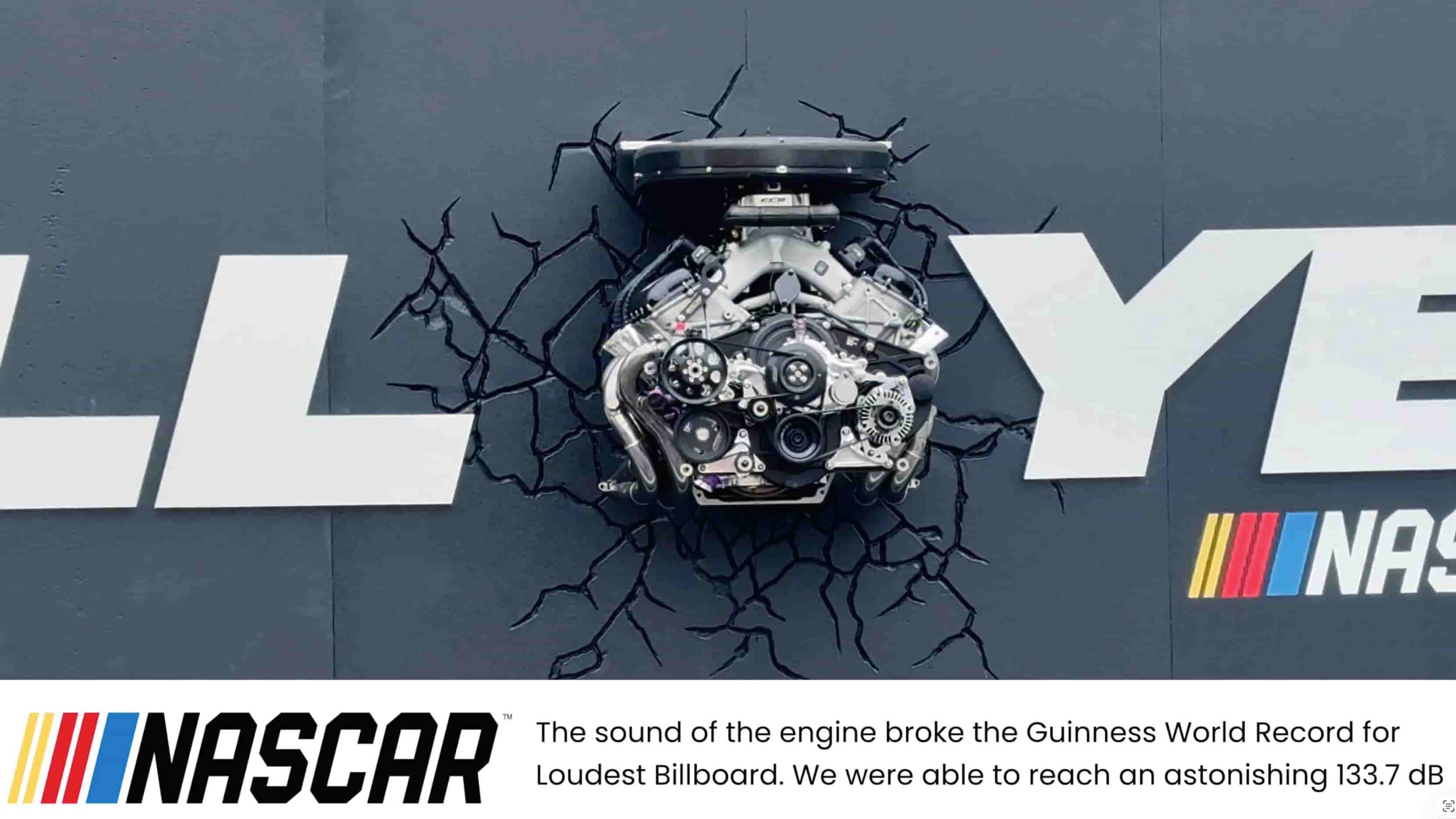
On the motorsports side, our NASCAR data capture experience for Telogis and Cordell Racing shows how a fleet-technology brand can use a racing environment to generate real, trackable leads rather than passive booth traffic. By pairing the excitement of NASCAR with a structured data capture flow, the activation turned race-day energy into a qualified list the sales team could follow up with directly.
Each of these activations shares the same underlying strategy: give people something interactive to do, and use that interaction to capture data the sales and marketing teams can actually use afterward.
Automotive brands outside our own client roster have proven this model works at scale too.
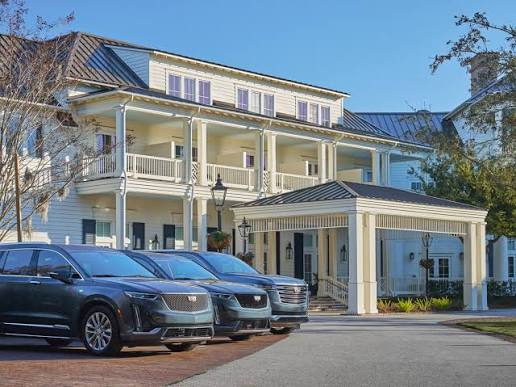
General Motors, working with an experiential agency on a Cadillac ride-and-drive program, built a multi-city tour that combined test drives with a registration microsite and CRM integration.
Every participant was assigned a unique ID at sign-up, which let the team track engagement from registration through the event and all the way to a follow-up dealer call.
The results were substantial: the program drove tens of thousands of registrations and, according to reporting on the campaign, generated well over a dollar in vehicle sales for every dollar spent on the activation — a return that would be very difficult to replicate through traditional advertising alone.
That kind of result isn’t unique to a brand with GM’s budget. The mechanics are the same whether it’s a national ride-and-drive tour or a single booth at a regional auto show: create an interactive moment, capture the data at the point of engagement, and connect that data to a real follow-up process.
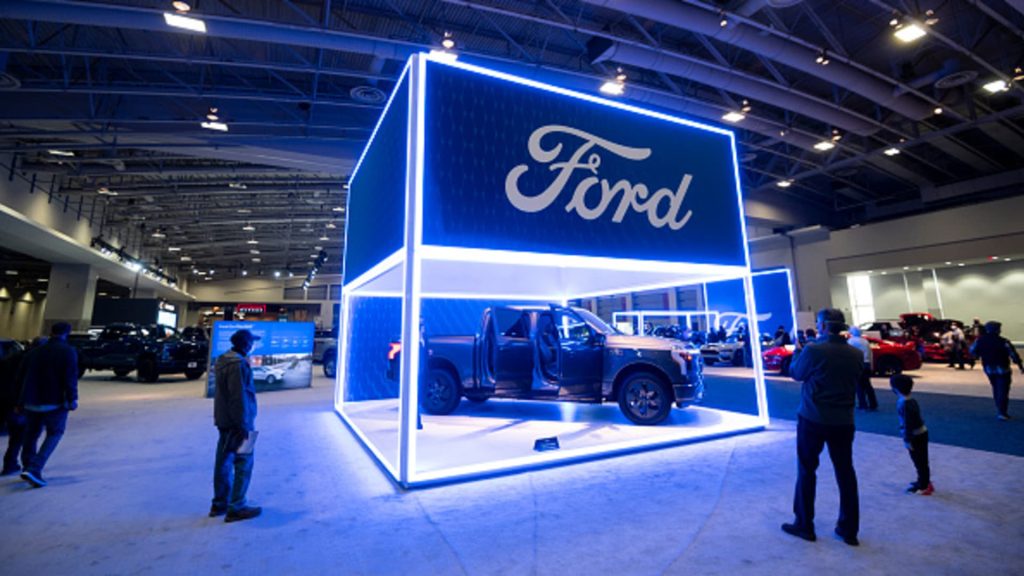
When Ford launched SYNC, its voice-activated in-car technology, the brand faced a familiar problem: the product was hard to explain through a traditional ad. So instead of running more commercials, Ford’s experiential marketing team built a traveling exhibit that visited 28 cities at music festivals, amusement parks, and air shows, and let people learn SYNC by playing three branded games built around the technology. One game had teams shout out a music genre and guess the song SYNC selected; another put half the players inside a car using voice commands to guide teammates through a round of charades outside it.
The results made the format worth repeating: more than 67,000 people played the games across the tour, and roughly two out of three players opted in for more information about Ford afterward. The team also reported a positive lift in dealership traffic tied directly to the tour. It’s a strong reminder that when a product’s value is hard to explain in words, especially in the automotive category, a game built around that product can do the explaining far more effectively than a brochure.
Car buyers, especially younger ones, increasingly treat a vehicle purchase as a lifestyle decision rather than a pure transaction. They’re evaluating a brand on how it makes them feel, not just its spec sheet. Static advertising simply cannot deliver an emotional connection the way a hands-on activation can, whether that’s a driving simulator, a motion-capture game, or a fully branded ride-and-drive tour.
Whether you’re an OEM planning a national tour or a dealer group building out a single auto show booth, the fundamentals of experiential marketing for automotive stay the same: create an interactive moment, capture the data at the point of engagement, and connect that data to a real sales follow-up. Explore our full experiential marketing solutions to see how we design and build these activations end-to-end, or run the numbers on your next event with our trade show ROI calculator.