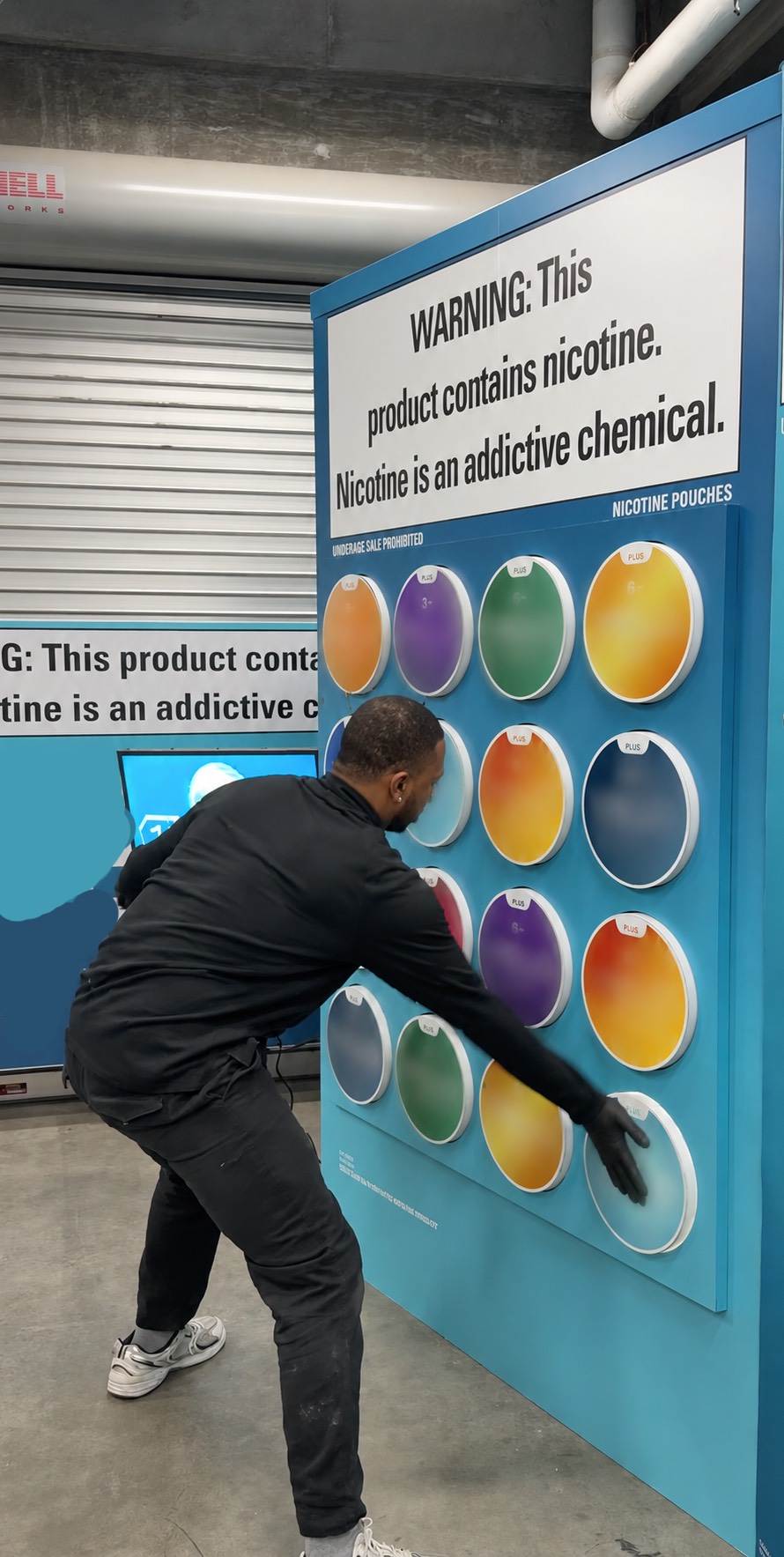
Live events are filled with competing attractions. To stand out, brands need experiences that are easy to understand, fun to participate in, and capable of drawing a crowd within seconds.
Recently, we had the opportunity to help bring one such experience to life at the Indy 500.
The goal was to create a high-energy interactive activation that captured the competitive spirit of motorsports while encouraging attendees to step in and play. What began as a simple reaction game evolved into a custom-built physical and digital experience featuring oversized illuminated game elements, industrial-grade hardware, LED lighting, real-time scoring, and a significant amount of engineering behind the scenes.
The idea behind the experience was straightforward: create a fast-paced reaction game inspired by the reflex training systems used by professional race drivers.
In motorsports, reaction time matters. Drivers often use specialized training systems that challenge them to respond to visual cues as quickly as possible, helping sharpen focus, hand-eye coordination, and decision-making under pressure.
That concept became the foundation for the activation.
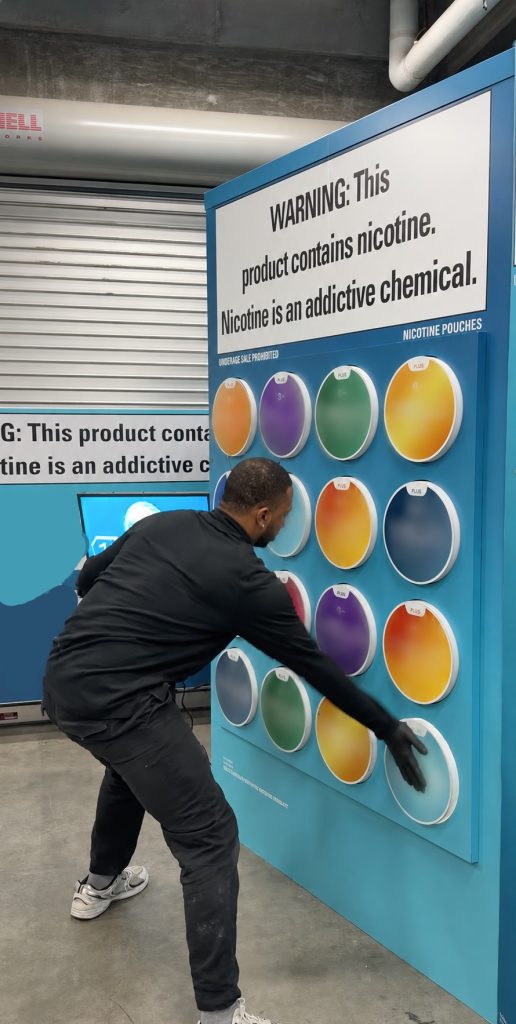
Players would stand in front of large illuminated game walls and compete head-to-head. As targets lit up, they had to react instantly, racing to hit them before their opponent. Every successful hit earned points, while a live scoreboard tracked the action in real time.
The rules were simple enough for anyone to understand within seconds, yet competitive enough to keep players engaged and encourage repeat play.
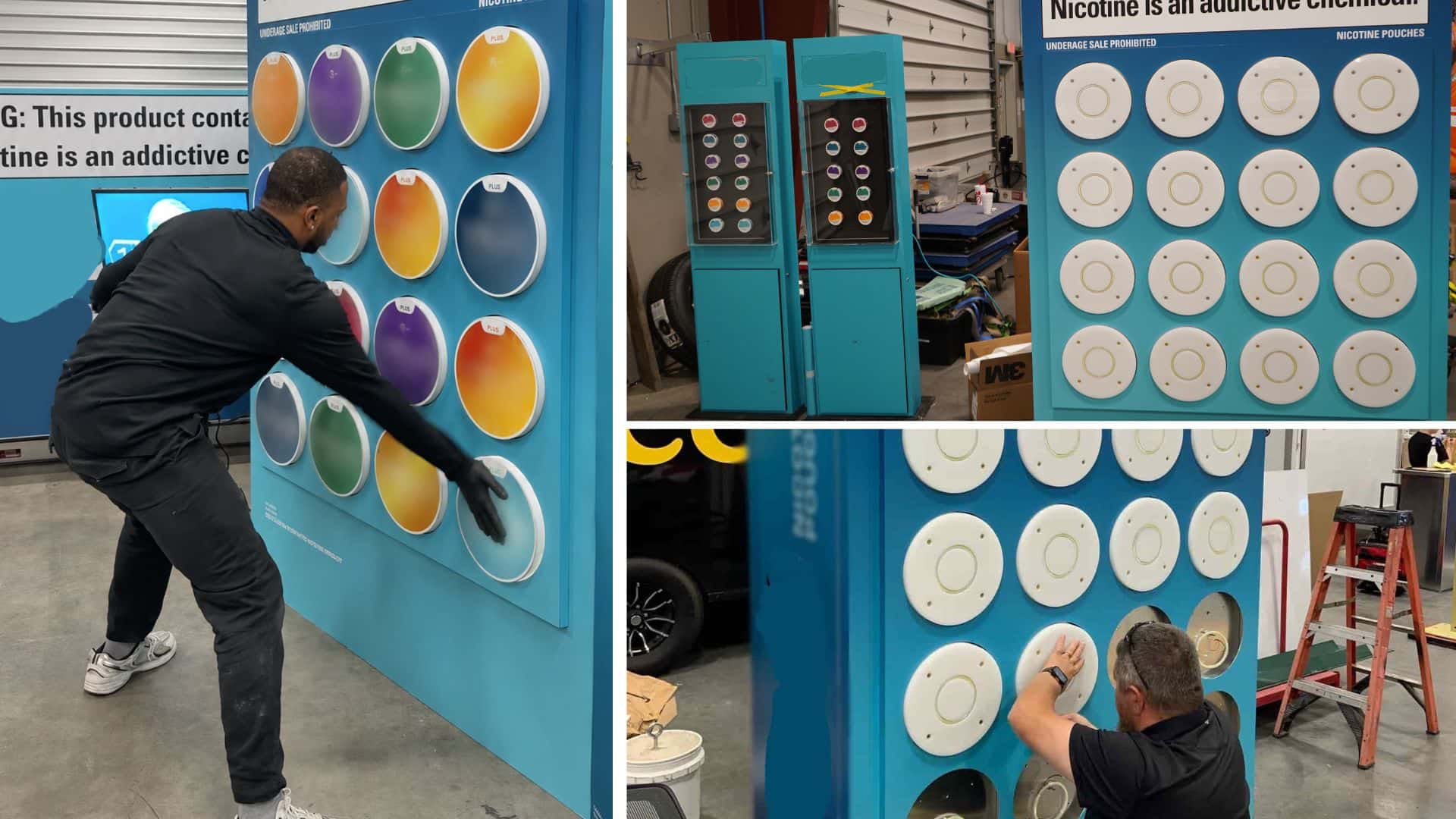
One of the most unique aspects of the activation was transforming oversized product cans into fully functional game controllers.
Rather than relying on traditional buttons or touchscreens, the experience used large physical cans as illuminated reaction targets. Every interaction needed to feel immediate, durable, and responsive enough to withstand continuous use throughout a busy event.
While the concept appeared simple from the outside, each can required custom lighting, industrial-grade switches, and hardware integration that connected directly to the game system.
The physical elements also had to work seamlessly with the digital experience. Every button press needed to trigger the correct lighting response, update scores, and synchronize with the game’s timing and scoring systems.
The result was a highly interactive experience where a familiar product became the centerpiece of the competition.
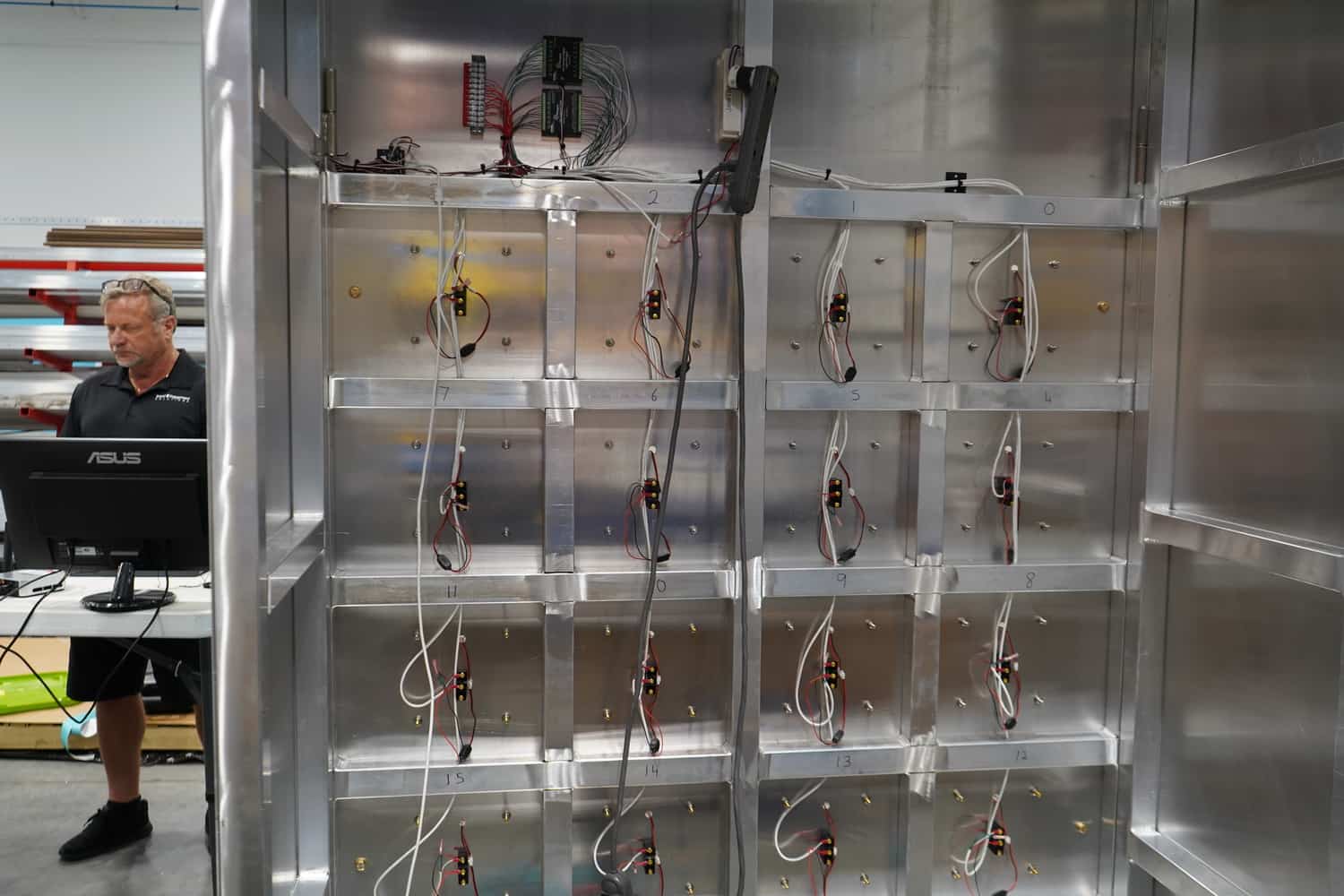
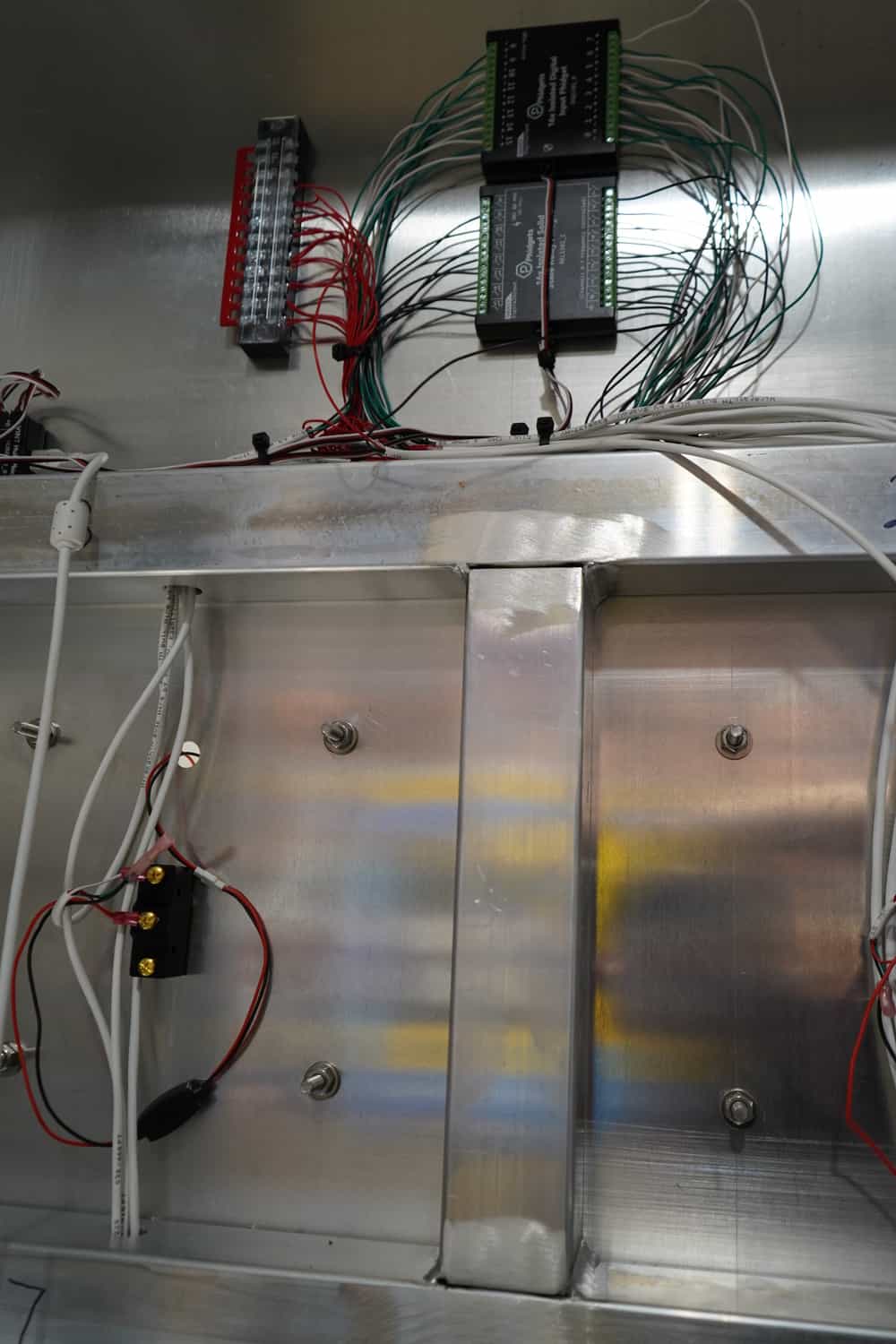

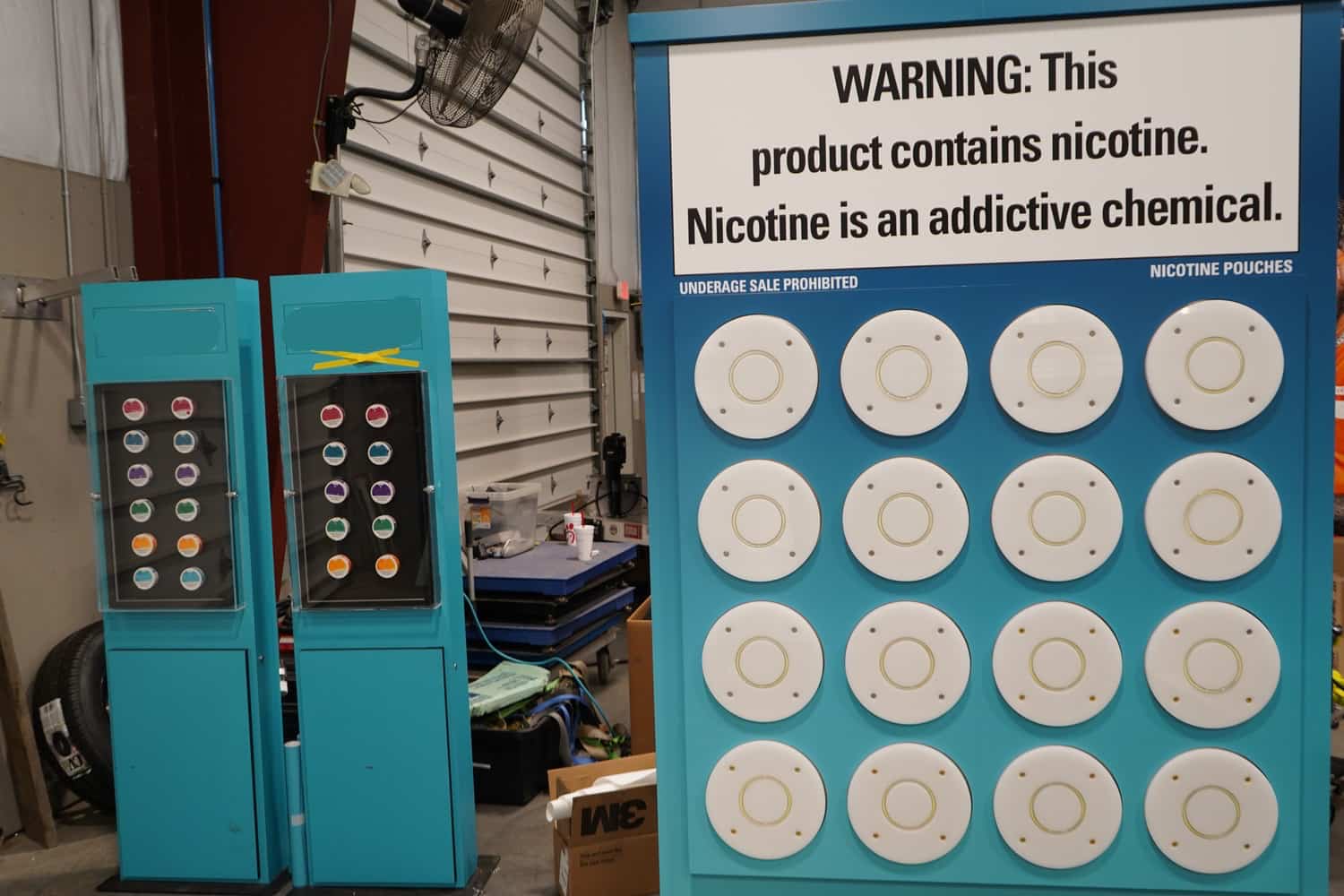
While the gameplay was intentionally simple, the technology behind it was anything but.
The activation combined industrial-grade switches, LED systems, custom electronics, PC-based controls, and real-time game software into a single integrated system.
Every interaction had to be captured instantly and translated into gameplay without noticeable delay. As players activated targets, the system continuously tracked inputs, updated scores, managed game timing, and synchronized visual feedback across both player stations.
A custom digital scoreboard served as the center of the experience, displaying scores and countdown timers while helping maintain the competitive energy throughout each round.
Behind the scenes, synchronization was one of the biggest technical challenges. Button inputs, lighting effects, timers, game logic, and scoreboard updates all had to operate together as a unified system.
The project also involved several thousand feet of wiring connecting the physical installation to the game’s control systems. What appeared to be a simple reaction game from the audience’s perspective was actually a complex blend of hardware, software, fabrication, and engineering.
One of the biggest challenges wasn’t the technology—it was the timeline.
To keep development moving while the full-scale physical components were still being fabricated, we built a smaller working prototype of the system. This allowed us to develop and test the game logic, hardware integrations, lighting behavior, scoring, and timing systems before the final structure was ready.
By running software and hardware development in parallel with fabrication, we were able to identify issues early, refine gameplay, and ensure a smoother deployment once the full installation came together.
When you’re building a custom physical-digital experience on a tight deadline, prototyping isn’t just helpful—it’s essential.

When the installation went live, players stepped up to compete head-to-head in a fast-paced test of speed and reflexes. As targets illuminated across the game walls, participants raced to react first, earning points while a live scoreboard tracked the action in real time.
The competitive format created an energy that extended beyond the players themselves. Spectators quickly gathered around the activation, cheering on competitors, comparing scores, and waiting for their turn to play.
What made the experience particularly effective was its simplicity. The game could be understood within seconds, yet remained challenging enough to encourage repeat play and friendly competition.
By combining physical interaction, real-time feedback, and the excitement of direct competition, the activation delivered an experience that felt perfectly aligned with the high-speed atmosphere of the Indy 500.