
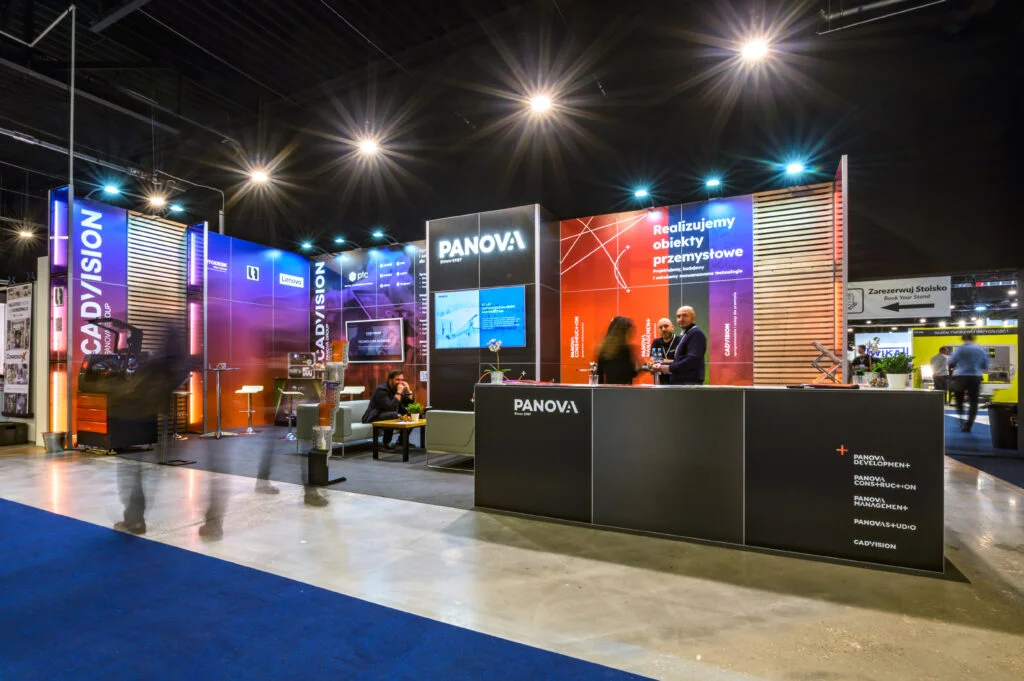
A trade show floor is a sensory flood: hundreds of booths, thousands of badges, and attendees with limited energy, packed agendas, and sore feet. In the few seconds it takes to walk past your booth, each person runs a quick mental checklist. They never say it out loud, but they are asking five silent questions, and the booths that answer them fastest are the ones that earn a conversation.
If your booth leaves even one of these unanswered, people keep walking. Below is what is going through their minds, and how to answer each question before it is asked. If you are still shaping your concept, our roundup of trade show booth game ideas is a good companion to this article.
Attendees scan before they stop. Within about three seconds, they are looking for a signal that your booth belongs to their world. A vague tagline and a wall of logos tell them nothing. A clear headline, a visible product, or a game that speaks to their industry tells them everything.
The fix is to make relevance visible in the booth itself, not just on a banner. When Zoetis wanted to reach cattle professionals, the Zoetis cow motion game at CattleCon put the subject matter front and center. Anyone walking by could tell, without reading a word, that the experience was built for them. Even visitors who never playedNobody stops at a booth to do you a favor. Attendees weigh the reward against the effort: a prize, a useful insight, a laugh, or a chance to try something new. The reward does not have to be expensive, but it does have to be obvious and immediate.
Games work well here because the reward is built into the activity. Players earn bragging rights, a leaderboard spot, or a shot at a prize before you have asked for anything. A smartphone instant win game is a good example of the principle: the visitor knows right away what they could win, and the payoff arrives while they are still standing at your booth. Say the reward plainly on your signage, something like “Play a quick round, win on the spot,” instead of hoping people figure it out.Every attendee is on a clock. Between sessions, meetings, and flights home, a booth that looks like a twenty-minute commitment gets skipped, no matter how good it is. People want to know the time cost before they step in.
Make it visible. Keep each round short enough to finish in about a minute, give the activity a clear start and a clear finish, and add enough stations that nobody waits long. A small line can signal popularity, but a long one signals wasted time. If people can see a stranger sit down, play, win or lose, and walk away smiling in under a minute, they will assume they can do the same.This is the question that makes people speed up when they pass a booth. Attendees fear being cornered, scanned, and followed for weeks by emails they never asked for. They also wonder what happens to their information once they hand it over.
The answer is to let the experience come first and the ask come second. Invite people to play with no strings attached, then request contact details at the moment they have just had a good time and have a reason to share them. Be upfront about what you collect, why you are collecting it, and what the visitor gets in return. When the exchange feels fair, the conversation that follows is warmer and the data is better. For a deeper look at capturing contact information without friction, see our guide to trade show lead generation.
By the end of a multi-day show, booths blur together. Attendees are quietly asking whether your brand is worth remembering, and what they are supposed to do after the conversation ends. If you do not give them a clear answer, someone else’s booth will fill the space in their memory.
Give every visitor a memory hook and a next step. The hook might be a photo, a high score, a prize, or a story they will want to tell a colleague over dinner. The next step might be a scheduled demo, a follow-up email with their result, or a simple invitation to visit your team. On your side, record what happened at the booth, including plays, scans, and real conversations, so every follow-up message carries context. Those same numbers also tell you whether the investment paid off, and our trade show ROI calculator can help you turn them into a clear return.
Before your next show, walk your booth like an attendee and test it against the five questions:
A booth that earns a yes on all five does not have to chase people down the aisle. The visitors come to you. If you would like help building an experience that answers these questions on your show floor, the team at Elation Digital is ready to talk.