
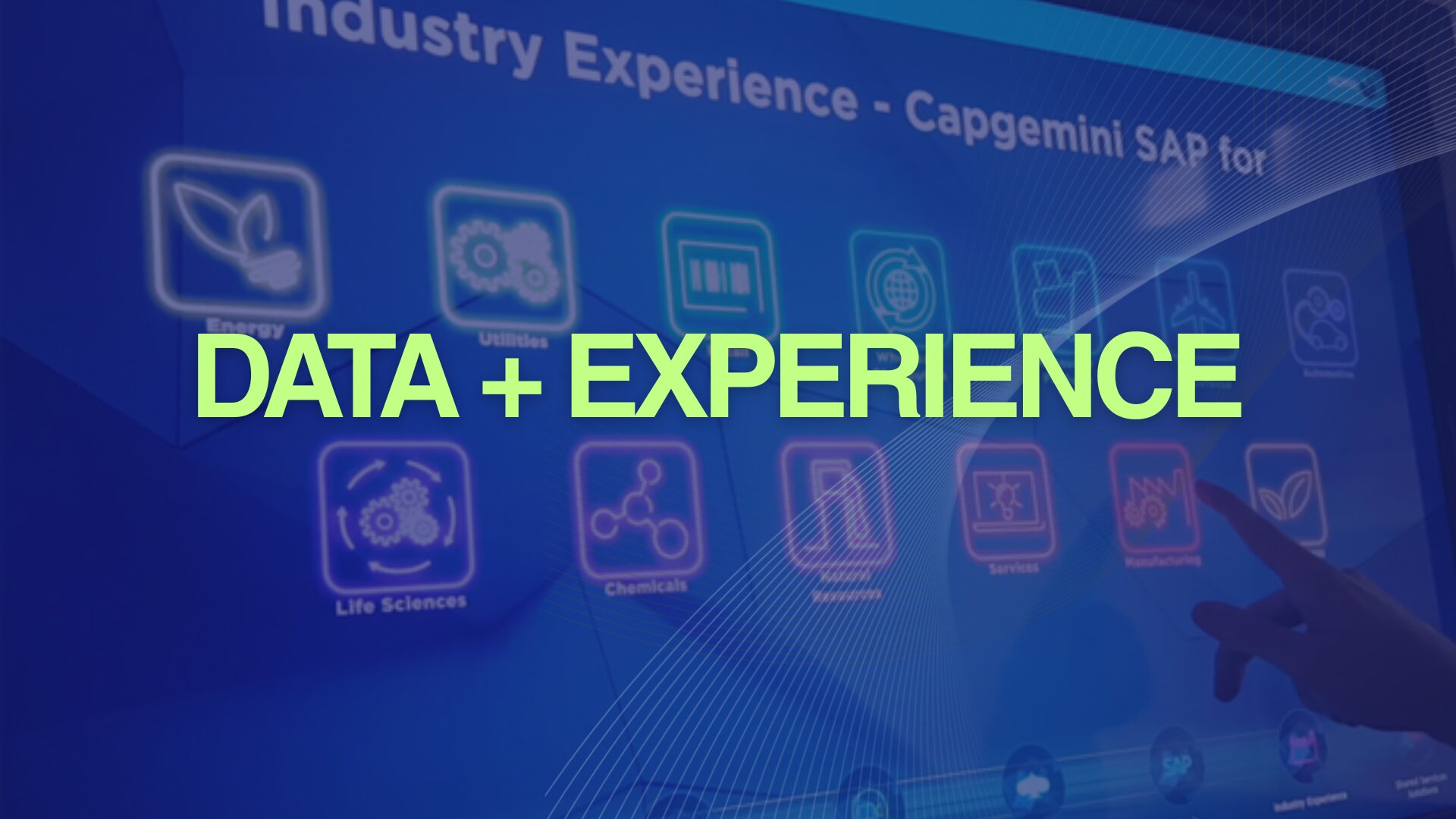
Data modernization is one of the least “attractive” categories in B2B technology on paper — cloud migrations, data pipelines, governance frameworks — but the companies that are actually breaking through with audiences aren’t relying on white papers and webinar decks alone.
They’re showing up at trade shows and conferences with interactive experiences that make abstract, technical value propositions feel tangible in seconds.
If you’re marketing a data modernization, data integration, or enterprise software brand, the question isn’t whether experiential marketing works for a technical audience — it’s how to translate a complex product into something a busy IT director or procurement lead can feel on a trade show floor.
B2B data and analytics products are often invisible by nature. A data pipeline running cleanly in the background doesn’t generate a “wow” moment — but a well-designed activation can manufacture that moment for you. Here’s why interactive marketing is especially effective for this category:
The data backs this up. Companies investing in interactive booth formats consistently see stronger engagement and recall than static displays — a trend covered in more depth in our breakdown of experiential marketing statistics.
The most effective activations in this space share a few common traits:
01. They map the game mechanic to the product story. A “connect the pieces” or matching-style game can mirror the idea of unifying fragmented data sources. A speed-based challenge can mirror the promise of faster processing or real-time insights.
02. They’re built for a professional audience. Enterprise buyers respond better to polished, smart-feeling interactions than to overly gimmicky carnival-style games.
03. They integrate lead capture and follow-up. The best activations feed directly into a CRM or sales workflow, so the “fun” part of the booth has a measurable pipeline outcome behind it.
04. They’re designed for the room, not just the crowd. Data modernization buyers are often engineers, IT leaders, or analysts — activations need to engage without chasing volume over quality.
A few experience types translate particularly well for data, analytics, and enterprise software brands:

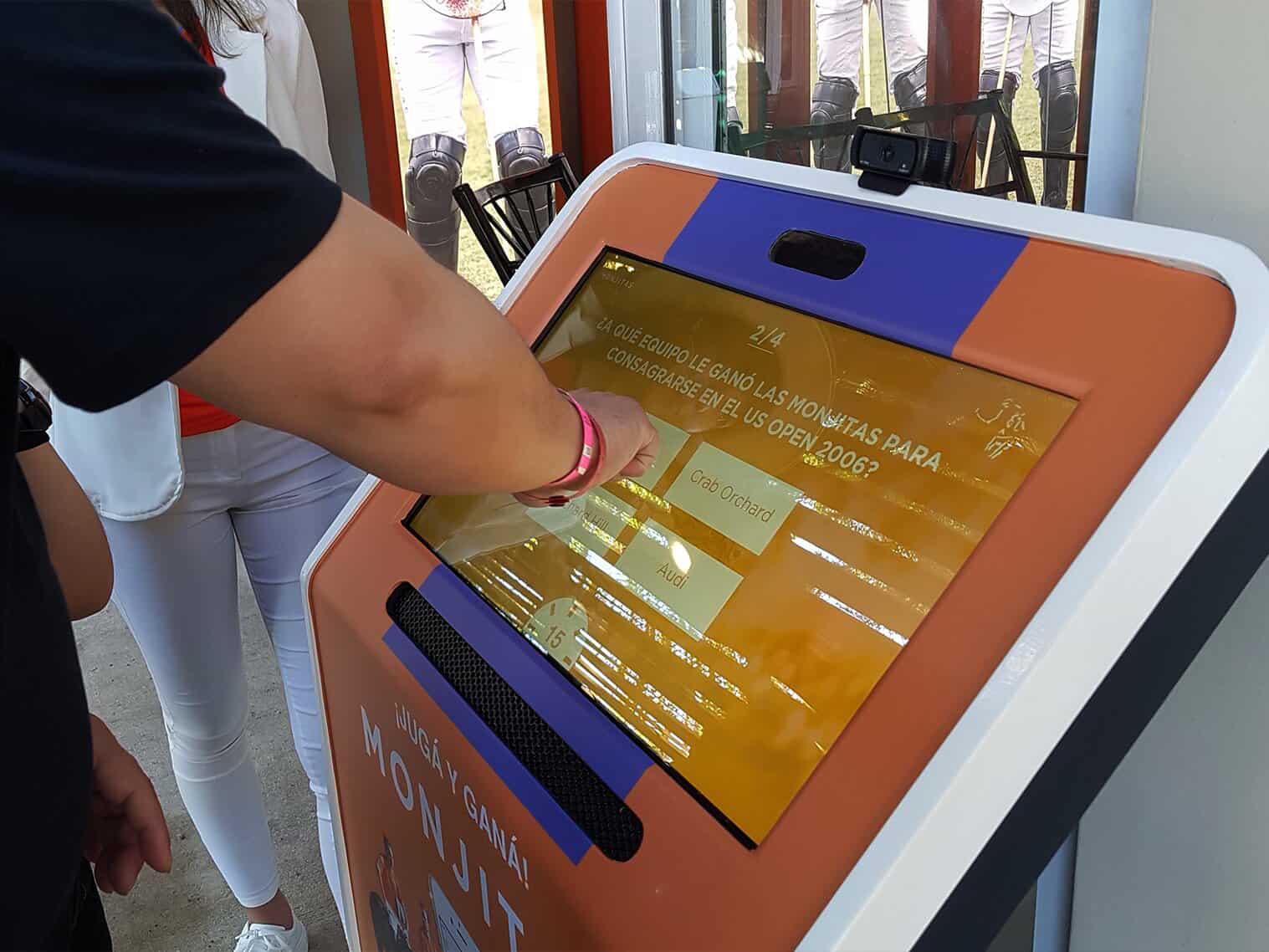
A self-guided touchscreen for demoing dashboards or product tours without a rep at every interaction.
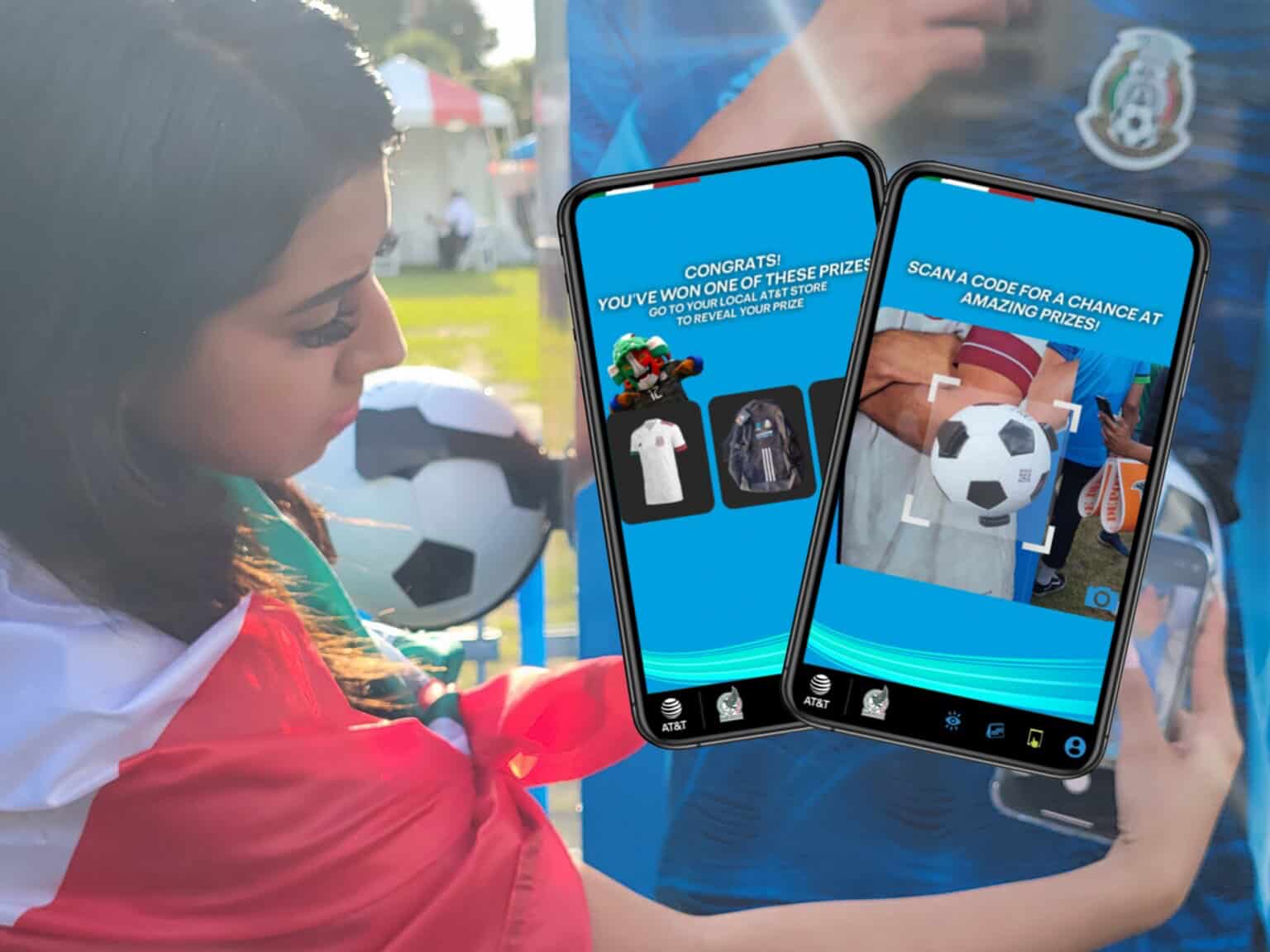
Built for combining interactive content with structured lead capture in a technical sales cycle.
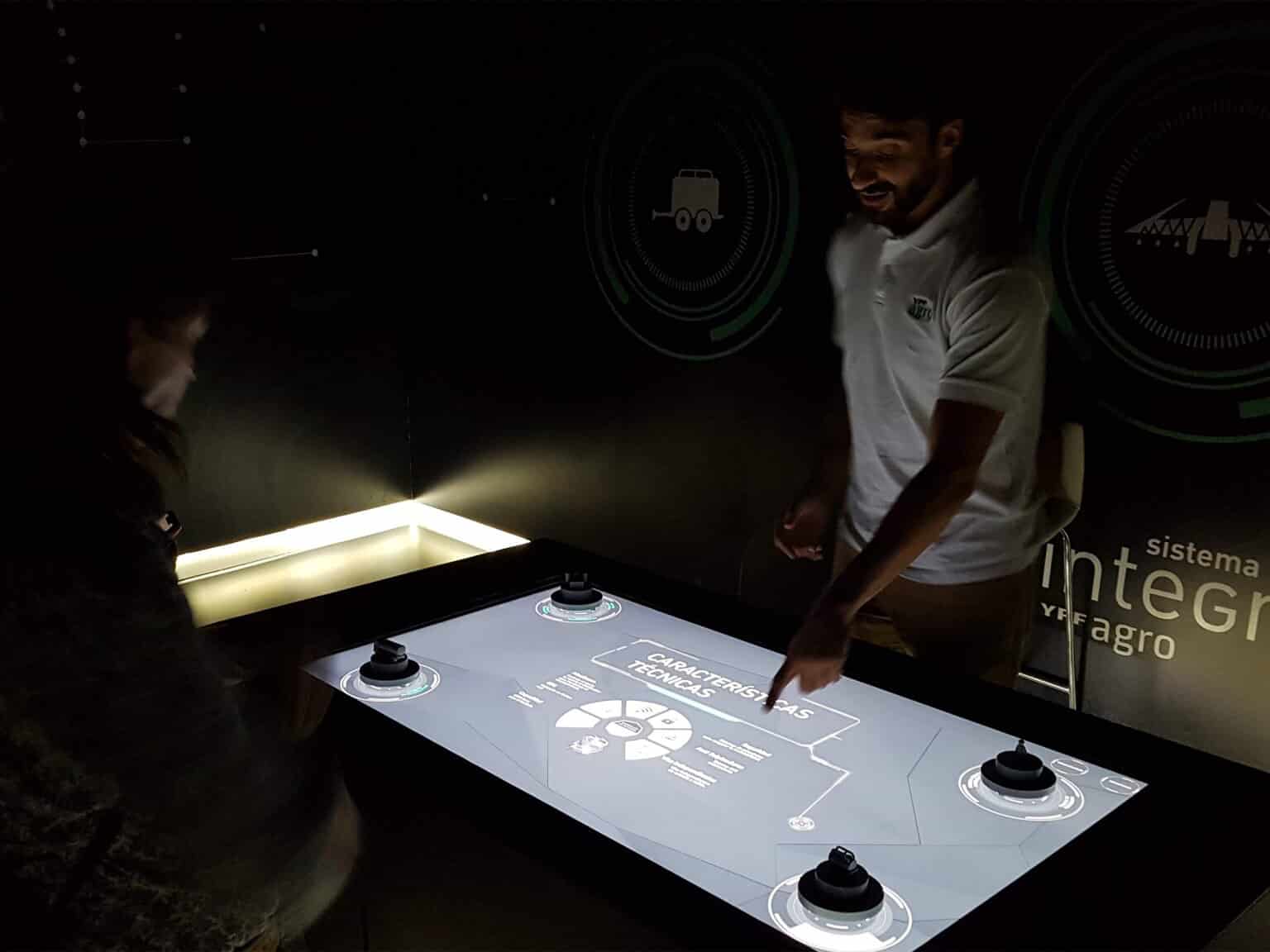
A flexible format for product education that still feels interactive rather than passive.
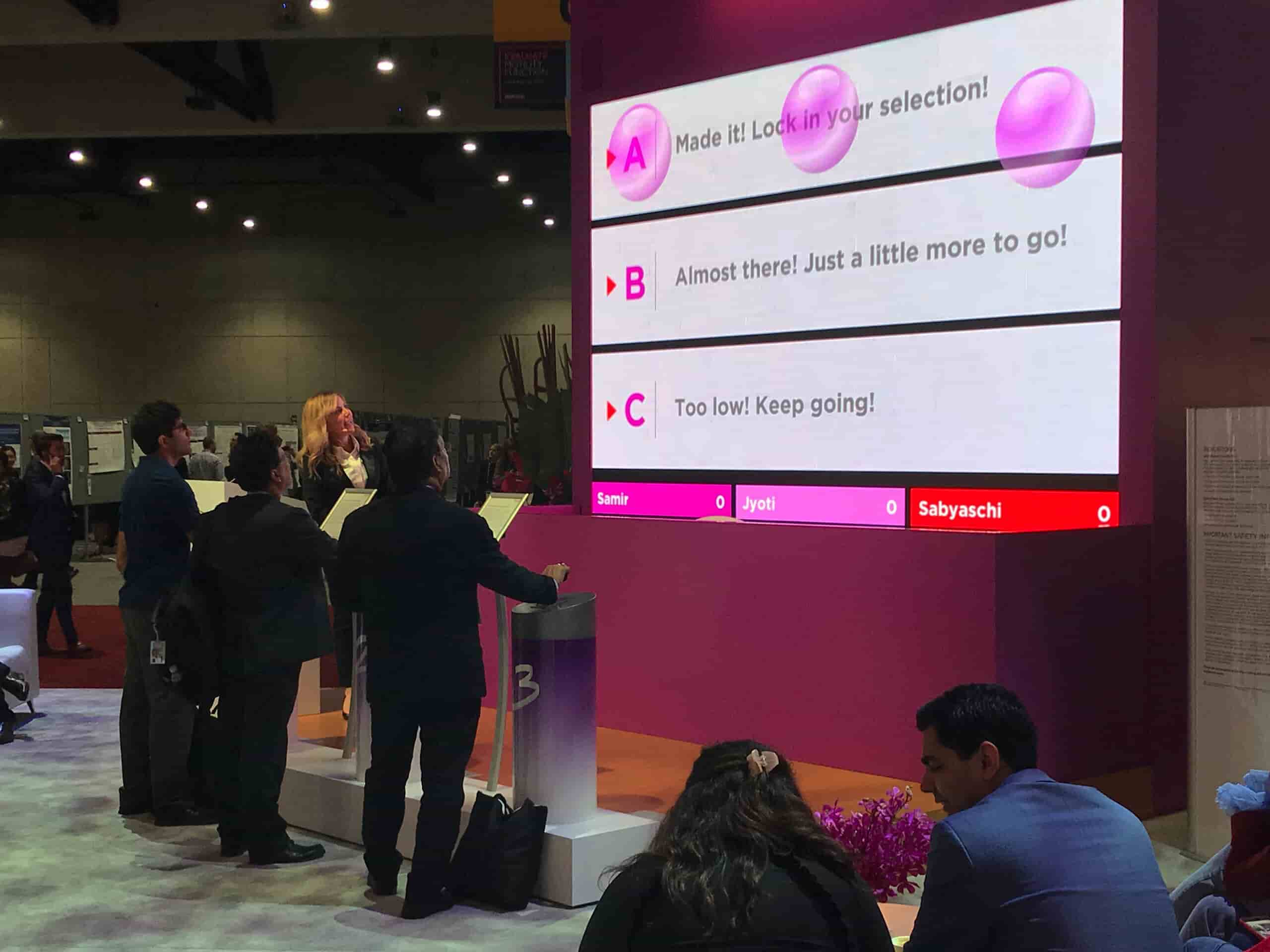
Tests attendee knowledge of data trends or pain points while positioning your brand as the expert.
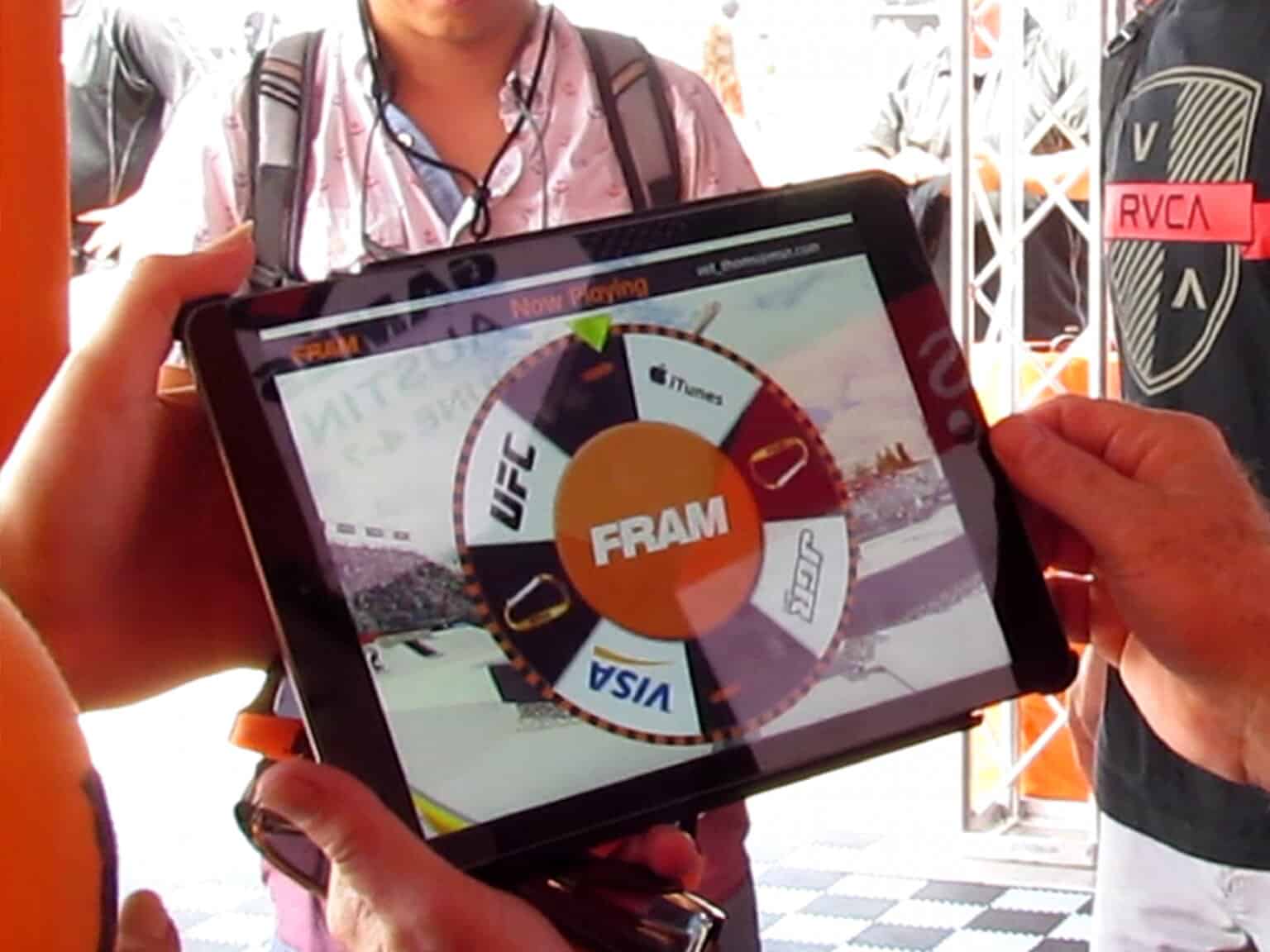
A quick, high-traffic draw at the front of the booth that funnels attendees toward deeper conversation.
These formats work well within a broader booth strategy — something we cover in more detail in our conference game ideas guide, written specifically for B2B, corporate, and technical event audiences rather than consumer activations.
An interactive experience is only as good as what happens after someone plays. The strongest data modernization brands treat their trade show activation as the top of a funnel, not the whole strategy:
Capture contact details as part of game entry, not as a separate, easily-skipped step
Segment leads by the choices they make in the experience to prioritize sales follow-up
Tie the game's theme directly back to a specific product capability, so sales has a natural conversation starter in every follow-up
If your brand is preparing for an upcoming enterprise or tech trade show, the starting point is usually the same regardless of company size: identify the single core message you want a booth visitor to walk away with, then build the interactive mechanic around reinforcing that message — not around novelty for its own sake.
For companies weighing options on booth size, format, and game selection for their next show, our trade show booth game ideas guide is a useful next step for narrowing down what fits your audience, space, and goals.