
Walk any major electronics trade show floor and you’ll see the same thing on repeat: a wall of spec sheets, a looping product video, and a sales rep waiting to explain what the screen is already showing. Attendees walk past. They don’t remember the booth. They don’t remember the brand.
The problem isn’t the technology. It’s that most electronics manufacturers are still marketing the way they did a decade ago — telling people about performance instead of letting them feel it. Experiential marketing flips that model. Instead of a spec sheet, you build a moment: a demo attendees control with their own hands, a game that quietly teaches your product’s advantage, or an interactive wall that stops foot traffic cold.
For electronics manufacturers specifically, this shift matters more than in almost any other category. Your differentiation is often invisible — faster processing, better sensors, tighter tolerances — and none of that translates through a static banner. It translates through touch.
B2B buyers in electronics are more technical than ever, but they’re also more distracted than ever. The average trade show attendee spends only a few seconds deciding whether a booth is worth their time. If your engagement strategy relies on someone reading a data sheet, you’ve already lost them to the booth next door with a game or a hands-on demo pulling in a crowd.
This is where trade show lead generation strategies built around experience — not information — start to outperform. Interactive activations don’t just attract attention; they qualify and capture leads naturally, because engagement itself becomes the data collection point.
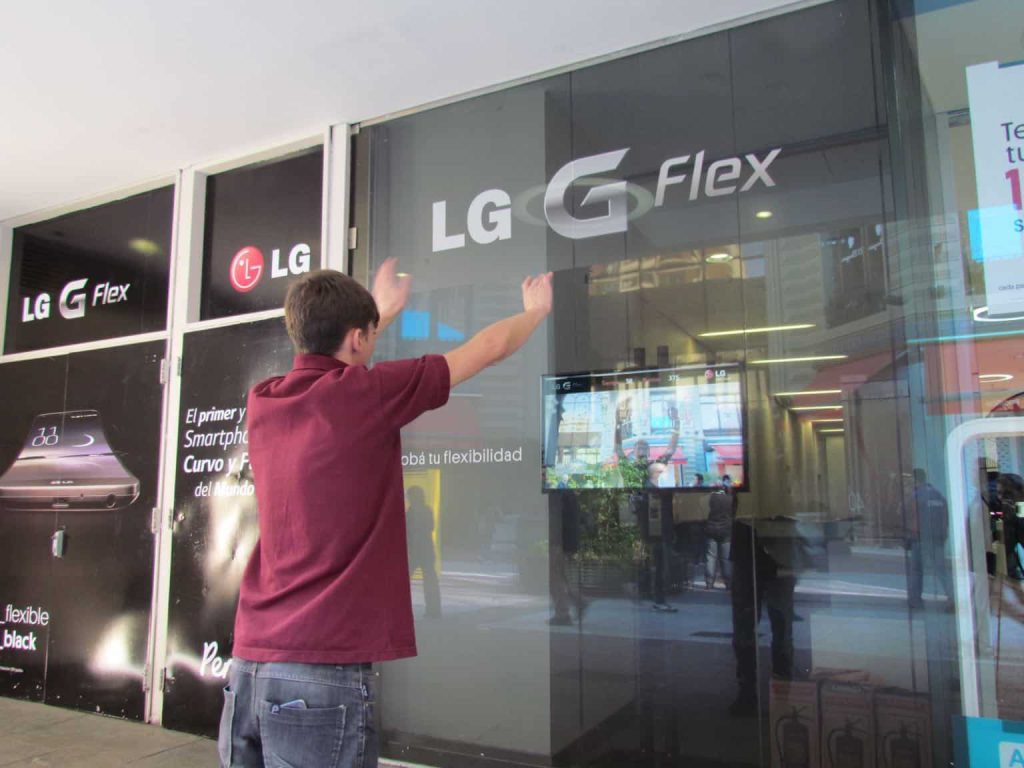
To promote the launch of the LG G Flex phone, Elation Digital installed a TV screen outside an LG retail store. Passersby could stop and play a motion-based interactive wall game controlled entirely by hand gestures, scoring points as they played. Instead of a static window display, LG turned foot traffic on a busy sidewalk into an active, playable brand moment — no purchase, no salesperson, just a screen that reacted the instant someone raised a hand.
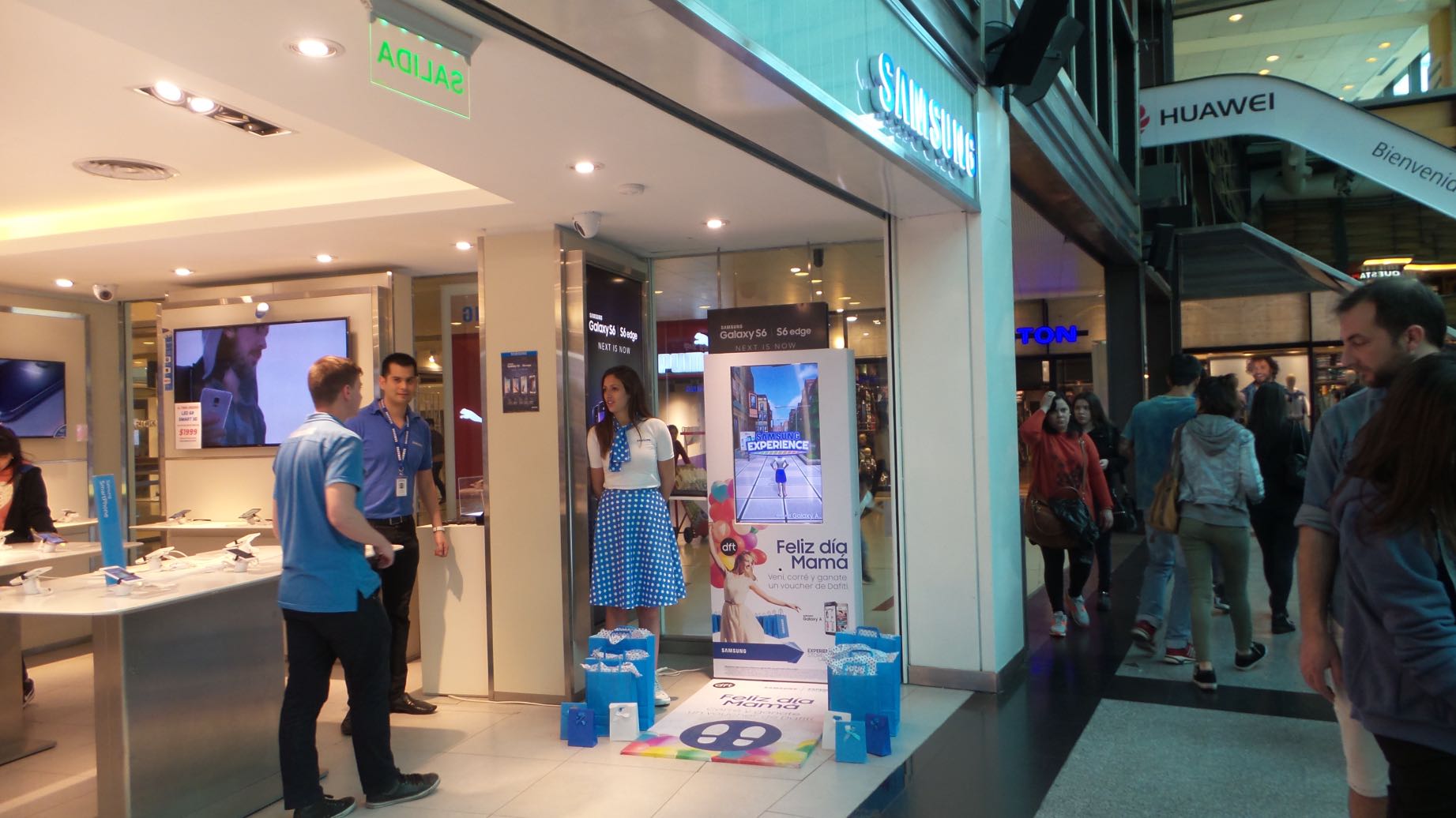
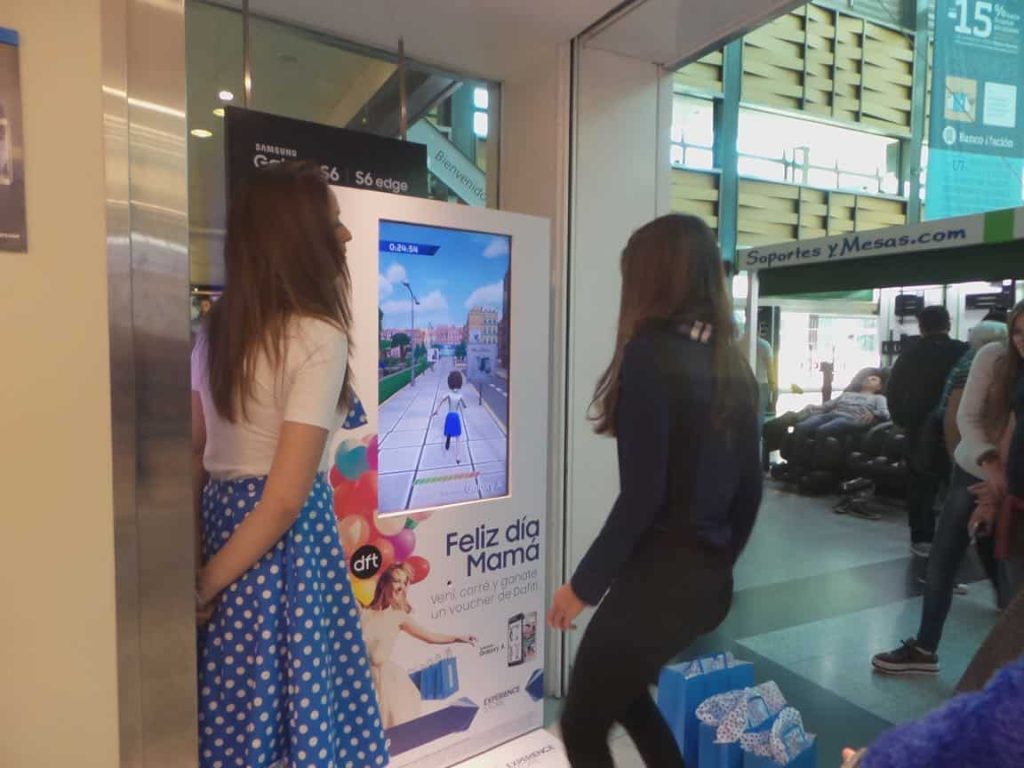
Inside a Samsung store, Elation Digital built a full-body runner game on a vertical screen. Shoppers stood on a sensor pad, entered their details, and controlled the game by moving in place — a setup similar to our Step Platform Raceexperience. The data capture step at the start meant Samsung walked away with a list of engaged, in-store leads, not just a fun moment for shoppers.
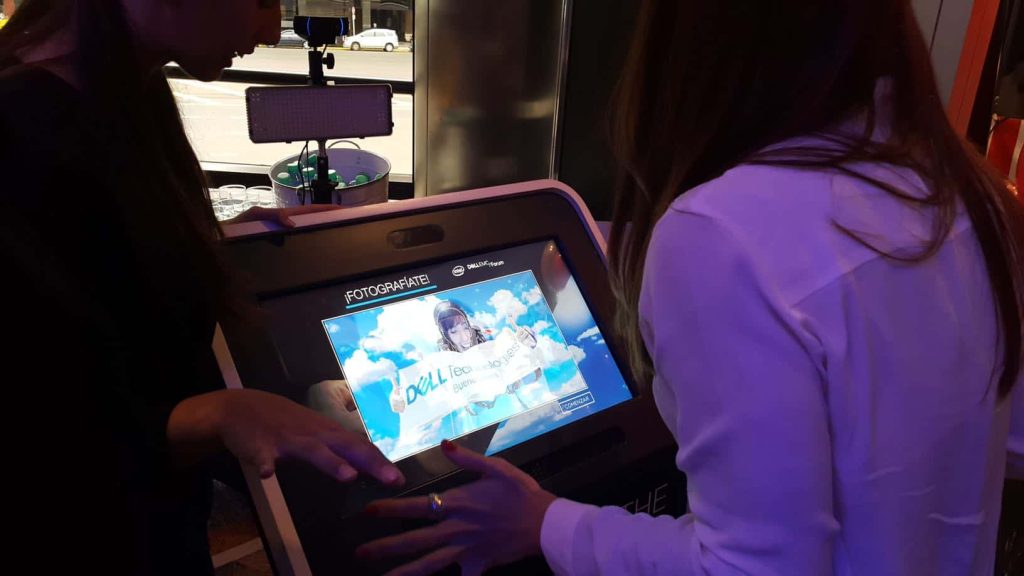
For a Dell trade show activation, Elation Digital built a photo experience where visitors could “skydive” holding a Dell banner. After entering their information at an Interactive Kiosk, attendees stepped in front of a camera and had their face composited into a pre-built skydiving cutout using our Green Screen Video Experience technology. The final photo was emailed directly to them — giving Dell a shareable, branded souvenir and a fully captured lead in the same interaction.
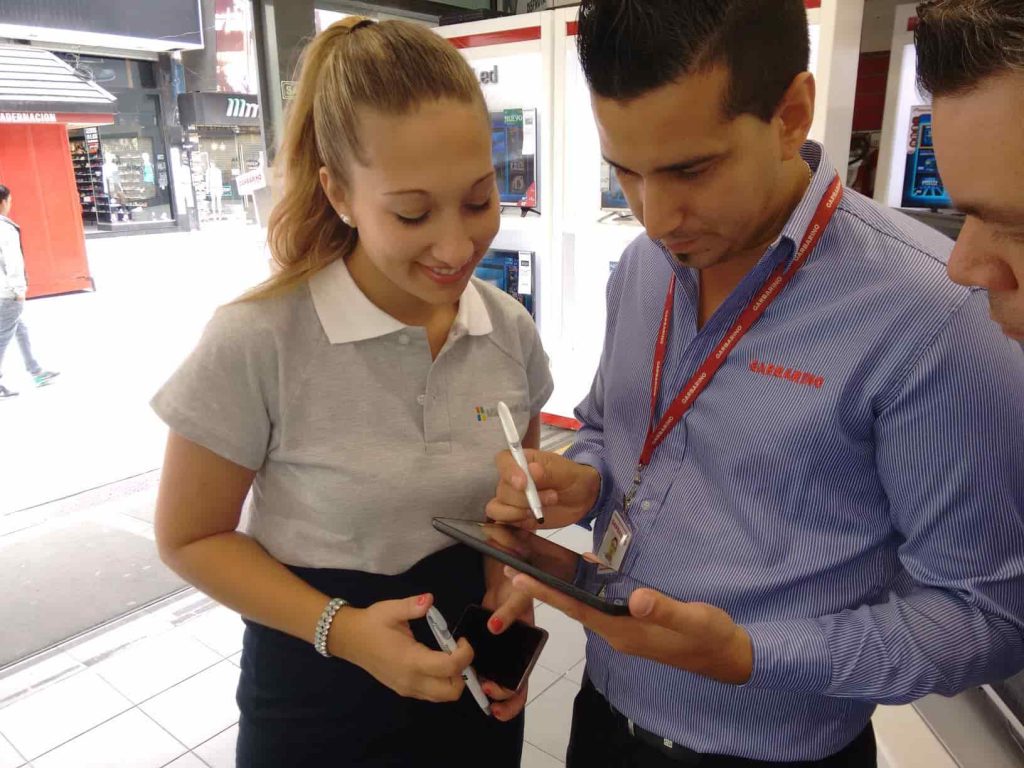
In-store, Microsoft representatives handed shoppers a tablet running a custom Branded Trivia Game. Visitors played through a set of questions, and at the end, the game prompted them to leave their contact details to see their results or claim a reward. It’s a simple mechanic, but it reframes lead capture as a reward for playing rather than a form to fill out.
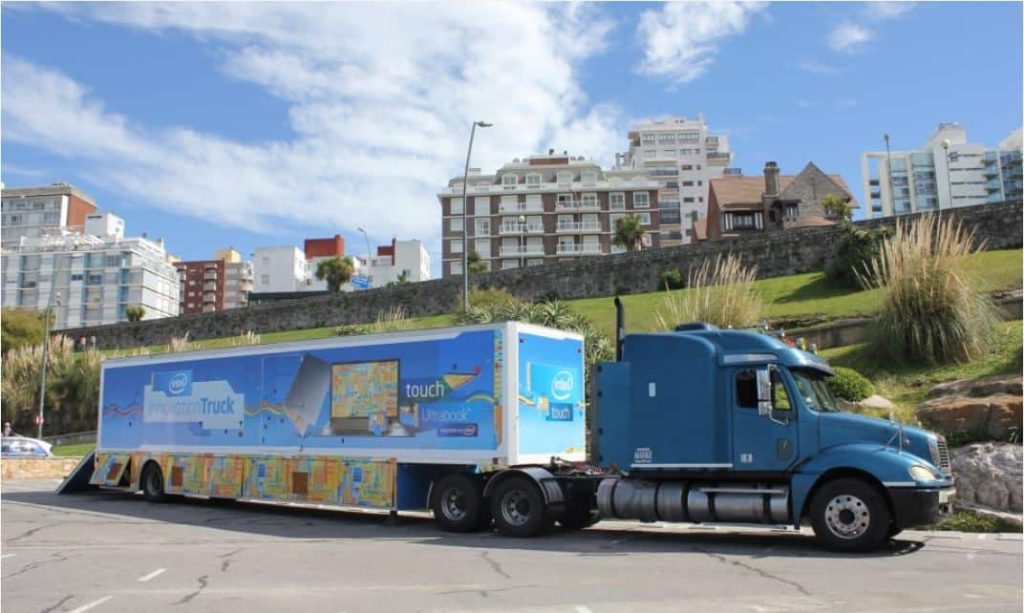
Intel took experiential marketing on the road with the Intel Innovation Truck, a mobile activation Elation Digital helped bring to life. Inside, visitors could get hands-on with Intel’s latest laptops and touchscreen desktops, race against each other in a car racing game running on Intel hardware, step behind a Virtual DJ Booth using touchscreen laptops and headphones, and even design custom artwork on the laptops that they could print and take home. It’s one of the clearest examples of how Touch Screen Infotainment can be layered into a single, multi-stop brand experience — turning “come see our laptops” into a destination people actively sought out.
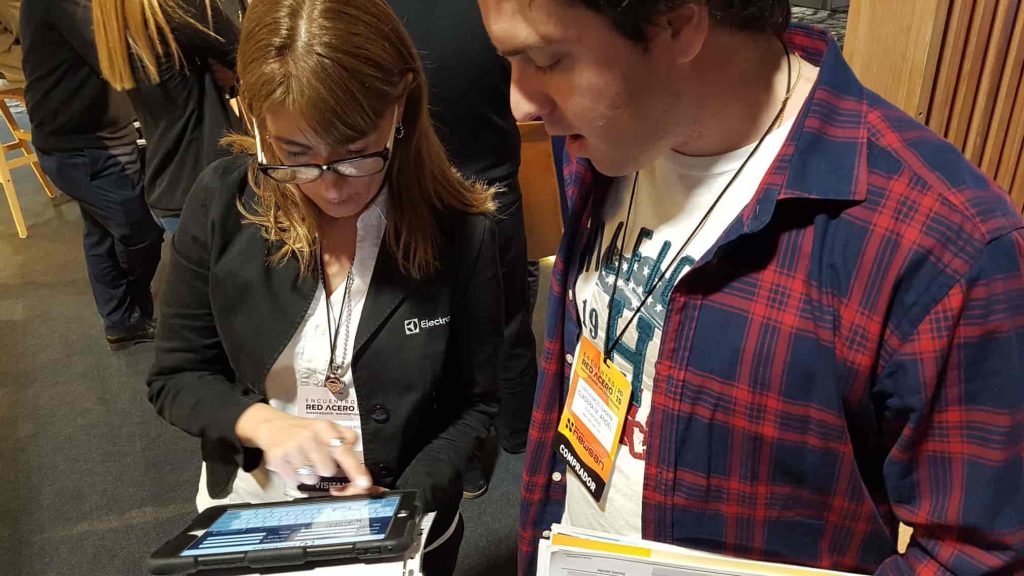
At a trade show booth, Electrolux visitors played a trivia quiz on tablets, built by Elation Digital as a Quiz Show Experience. It’s a low-friction way to keep booth traffic engaged between live demos while still gathering meaningful visitor data.
Look at these examples side by side and a pattern emerges: none of them lead with a spec sheet. LG didn’t put a screen showing the G Flex’s dimensions in a store window — they built a game. Intel didn’t just display laptops on a table — they built an experience truck with racing games and a DJ booth around them. Dell didn’t rely on booth signage to make an impression — they gave people a photo they’d actually want to share.
Every one of these activations does double duty: it creates a memorable moment for the attendee, and it captures structured lead data in the process — whether through a kiosk sign-up, a trivia prompt, or a photo delivered by email.
If you’re planning your next activation, a few of the formats above are strong starting points depending on your goal:
For more booth-specific ideas, our trade show booth game ideas post breaks down additional formats, and our Trade Show ROI Calculator is a useful tool for building the business case before you commit budget.
Electronics manufacturers don’t have a product credibility problem — they have an attention problem. The engineering is already there. The challenge is getting a distracted buyer to stop, engage, and remember you after the show floor lights go off.
Spec sheets tell. Experiences convince. As LG, Samsung, Dell, Microsoft, Intel, and Electrolux have each shown, the manufacturers pulling ahead are the ones who’ve already made that switch.
Looking to bring a branded game or interactive activation to your next launch, trade show, or retail campaign? Explore our branded games or experiential marketing solutions to see what fits your brand.